
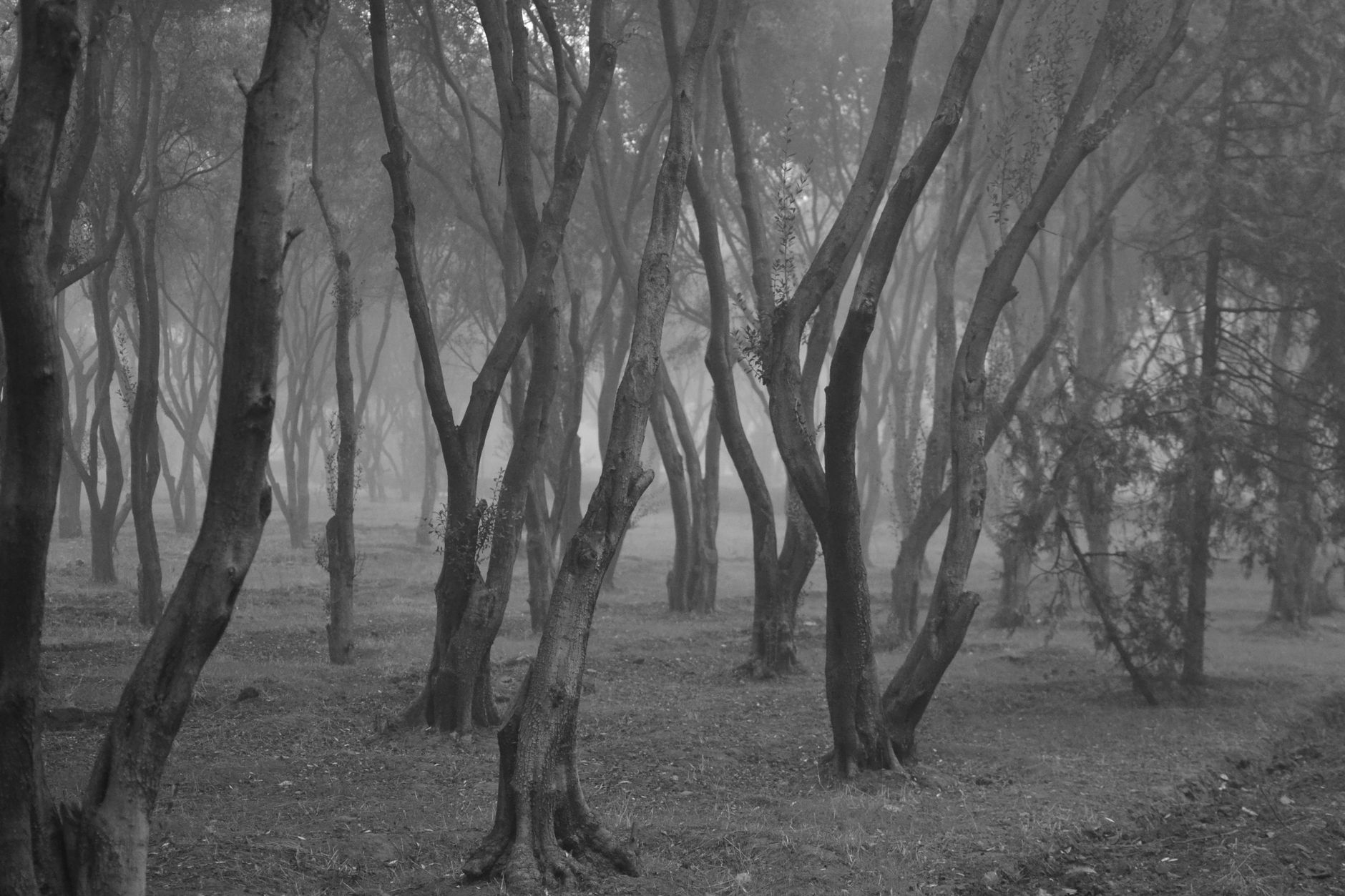
Mars eerie forest has been captured by NASA’s orbiter, showcasing what appears to be a forest growing on the frozen dunes of the planet.
What Did NASA Discover on Mars?
NASA’s latest findings from Mars have sparked excitement and curiosity in the scientific community. Using advanced imaging techniques, the Mars Reconnaissance Orbiter captured images that appear to show an eerie forest on the planet’s frozen dunes. This striking visual phenomenon has led researchers to investigate the surface features more closely.
The images reveal a landscape that resembles a dense forest, but it is, in fact, a collection of unique ice formations and wind-sculpted dunes. Each formation casts intricate shadows, creating an illusion of depth and vegetation. The phenomenon is attributed to the interaction of sunlight with the frozen carbon dioxide and water ice present on the surface.
Experts emphasize that while the appearance is captivating, the formations are not biological in nature. Instead, they represent the fascinating geological processes at work on Mars. As scientists continue to analyze these images, they hope to gain deeper insights into the planet’s climate and how it has evolved over time.
This discovery adds to our understanding of Mars and highlights the importance of ongoing exploration of our neighboring planet.
The Significance of Frozen Dunes
The discovery of the so-called Mars eerie forest has sparked significant interest among scientists and the public alike. The frozen dunes observed by NASA’s orbiter provide a unique glimpse into the planet’s geological history and climate conditions. These formations, often resembling a forest due to their intricate patterns, serve as vital indicators of past environmental changes.
Understanding the significance of frozen dunes on Mars can shed light on several key areas:
- Climate Patterns: The structures may reveal how Martian climate has evolved over millions of years, particularly during periods of warming or cooling.
- Geological Activity: The dunes’ formation processes might indicate ongoing geological activity, suggesting that Mars is not as dormant as previously thought.
- Potential for Life: Analyzing these features can help determine if conditions were ever suitable for life, pointing to regions where microbial life might have existed.
In summary, the frozen dunes, often described as a forest, hold essential clues to understanding Mars’ past, making them a focal point for ongoing research and exploration.
Mars Eerie Forest: A Closer Look
Recent images captured by NASA’s orbiter have revealed what appears to be a mysterious formation on the frozen dunes of Mars, leading to the term “Mars eerie forest.” This phenomenon has sparked intrigue among scientists and space enthusiasts alike.
The so-called eerie forest is characterized by a series of dark streaks that seem to resemble tree-like structures, prompting discussions about the possible geological processes at play. These formations can be attributed to a variety of factors:
- Wind Patterns: The Martian atmosphere is thin, yet winds can shape the surface, creating these intriguing patterns.
- Seasonal Changes: The frozen dunes undergo transformations with the changing seasons, potentially revealing different features.
- Surface Composition: Variations in the composition of the dunes may lead to contrasting colors and textures, enhancing the forest-like appearance.
While the name evokes images of terrestrial forests, scientists remind us that these formations are not biological in nature. Further research is necessary to understand the full extent of this captivating Martian landscape.
How NASA Captured This Image
Nasa’s latest image of Mars has sparked intrigue, as it captures what appears to be an eerie forest growing on the frozen dunes of the red planet. This astounding photograph was taken by the Mars Reconnaissance Orbiter (MRO), which has been surveying Mars since 2006. The MRO is equipped with advanced imaging technology that allows scientists to observe the planet’s surface in great detail.
The image showcases a unique combination of ice and wind-sculpted dunes, creating a striking visual resemblance to a forest. The features observed are not trees but rather the result of complex geological processes that produce patterns in the Martian landscape.
Nasa scientists utilized the orbiter’s High Resolution Imaging Science Experiment (HiRISE) camera, which captures incredibly detailed images. This allows researchers to analyze features that may indicate the presence of past water activity or other processes at work on the planet. The findings underscore the potential for further exploration and understanding of Mars’ geological history.
The Mars eerie forest image has captivated both the scientific community and the public, leading to renewed interest in Martian exploration.
Implications for Future Mars Missions
The recent discovery of the Mars eerie forest has significant implications for future Mars missions. As scientists analyze the images captured by NASA’s orbiter, they are beginning to understand the complex geological processes that shape the Martian landscape. The presence of frozen dunes suggests a dynamic environment that may have been influenced by past climate changes.
Future missions could focus on several key areas:
- Geological Studies: Understanding the formation and evolution of these frozen dunes can provide insights into Mars’ climatic history.
- Search for Past Life: The unique features of the Mars eerie forest may indicate areas where life could have existed, making them prime targets for astrobiological research.
- Resource Utilization: Investigating the composition of the dunes could reveal potential resources, such as water ice, critical for human exploration.
- Technology Development: As missions become more ambitious, developing advanced imaging and analysis technologies will be crucial for uncovering Martian mysteries.
In summary, the findings related to the eerie forest of Mars open up exciting possibilities for exploration and understanding of our neighboring planet.
Comparing Mars to Earth’s Forests
The recent images captured by NASA’s orbiter have sparked a fascinating comparison between the Mars eerie forest appearance and Earth’s lush woodlands. While the structures seen on Mars are not trees in the traditional sense, their formation creates an illusion reminiscent of a forest landscape.
On Earth, forests play a critical role in maintaining ecological balance. They provide habitat for numerous species, contribute to carbon storage, and influence weather patterns. In contrast, the Martian formations, though visually similar, serve different purposes and raise intriguing questions about the planet’s past.
Some scientists speculate that the resemblance may be due to the way frozen carbon dioxide interacts with the terrain, creating patterns that evoke the image of tree-like structures. These formations are primarily made up of ice and dust, shaped by Martian winds over time.
Understanding these eerie landscapes on Mars not only sheds light on the planet’s climate history but also invites comparisons to Earth’s ecosystems. As researchers continue to study these formations, the potential for discovering more about planetary evolution becomes increasingly promising.
Public Reaction to the Discovery
The recent discovery of what appears to be a “Mars eerie forest” has sparked a wave of public fascination and curiosity. Many social media users took to platforms to express their amazement at the unexpected resemblance of the Martian landscape to a forested area on Earth.
Comments have ranged from humorous takes to thoughtful reflections on the possibilities of extraterrestrial life. Some users noted:
- “If this is what Mars looks like, imagine what else we might find!”
- “Nature is truly unpredictable, even on another planet.”
- “Could this be evidence of past life or just a trick of light and shadow?”
Experts have weighed in as well, highlighting the importance of public engagement with space exploration. “The more we share these discoveries, the more interest we generate in our universe,” stated one NASA scientist. As people continue to share their thoughts and theories about the Mars eerie forest, the excitement surrounding Mars exploration is palpable, showcasing the power of imagination and inquiry in the face of the unknown.
Next Steps in Mars Exploration
The exploration of Mars continues to evolve, particularly with the discovery of what appears to be an eerie forest growing on the planet’s frozen dunes. As scientists analyze these findings, several next steps are being proposed to deepen our understanding of Martian landscapes.
- Enhanced Imaging Techniques: Future missions will utilize advanced imaging technologies to capture more detailed images of the eerie forest formations. This will help scientists discern the composition of the structures observed.
- Sample Return Missions: NASA is considering missions that would collect soil and ice samples from the regions around the frozen dunes. Analyzing these samples could reveal insights into the planet’s past climate and potential for life.
- Collaboration with International Space Agencies: There is potential for collaborative missions with other space agencies to explore the findings further, combining resources and expertise.
- Robotic Exploration: Deploying rovers equipped with specialized tools to investigate the eerie forest and the surrounding terrain could yield significant data on Mars’ geology and climate.
As these next steps unfold, the scientific community remains eager to uncover the mysteries that the eerie forest on Mars may hold.
The discovery of the “Mars eerie forest” has captivated scientists and enthusiasts alike, sparking new theories about the planet’s past. As researchers delve deeper into the formations, they hope to uncover more about the conditions that led to the creation of these frozen dunes.
Photo by Fidan Nazim qizi on Pexels