
There are few rivers in the world as iconic and storied as the Nile. Flowing over 4,000 miles through the heart of Africa, it has been the cradle of civilizations, a source of life, and the setting for myths and mysteries that span millennia. As someone with a deep love for ancient history and cultural exploration, I had long dreamed of seeing it for myself. But what I didn’t expect was how the river would reveal itself not just through monuments or museums, but through the people who sail it every day.
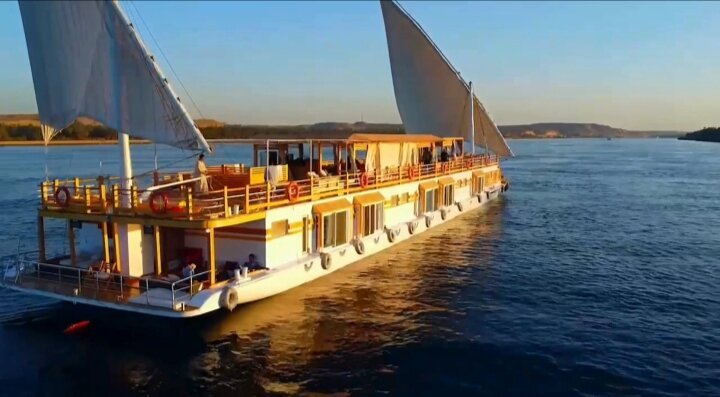
My trip began with a desire to unwind and discover Egypt in a unique way, which led me to explore the variety of river Nile cruises all inclusive packages available—and eventually book one for an unforgettable experience. These cruises offer a blend of comfort and culture — floating hotels that pass by ancient temples, golden deserts, and timeless towns. But my most meaningful experiences weren’t part of any official itinerary of Nile cruise holidays. They came during conversations with the local boat captains and crew who live in sync with the river’s rhythms.
I had found the cruise through Travelodeal, while browsing to find better plans and encountered some of the best travel deals online. It was great value on paper — but it turned into something far more profound in reality. Over the course of several days, I learned more from the captains and crew about the Nile’s secrets, moods, and traditions than I could have imagined. This wasn’t just a river cruise — it was an immersion into a way of life.
The River as a Living Teacher
One of the first captains I met was Mahmoud, an older man with sun-creased skin and quiet wisdom in his eyes. He had been piloting boats along the Nile since his teenage years and seemed to have an almost spiritual connection with the river. He could read the water like a book — identifying currents, predicting weather, and spotting signs of fish or debris from miles away. With only a few words exchanged, he began to share stories passed down from generations of boatmen.
He told me that the Nile has moods — gentle in the morning, playful in the afternoon, and sometimes restless at dusk. He wasn’t speaking metaphorically. According to Mahmoud, knowing how the river “feels” each day is essential to sailing safely. It reminded me that long before GPS and weather apps, knowledge was carried in memory, in intuition, in whispers among sailors on the wind.
A Culture Anchored in Water
As we made our way from Luxor to Aswan, I noticed how the river wasn’t just a mode of transport — it was the heart of daily life. Children played along its banks, women washed clothes in its shallow edges, and small wooden boats loaded with produce drifted gently toward market towns.
One night, we stopped near a quiet village where the crew invited us to share a meal on deck. As lanterns glowed softly and the smell of grilled tilapia filled the air, the conversation turned to family stories, river legends, and local beliefs. One sailor, Youssef, told me about a charm his mother gave him for protection — a token he kept in his pocket during every journey.
Beyond the Brochures
What I began to understand during this journey is that a cruise isn’t just about visiting ancient temples and admiring landscapes — although those are unforgettable. It’s about connecting with the people whose lives revolve around the river. These captains and crews aren’t just guides; they are custodians of centuries-old traditions, oral histories, and river lore.
They taught me how to watch the river, how to listen to it. And perhaps more importantly, how to respect it. In their stories and daily routines, I saw a version of Egypt that few travelers experience — one where the past and present flow side by side, like the two branches of the Nile itself.
Conclusion
When I first set out, I expected comfort, culture, and good weather. I found all of that and more. But what stayed with me was something deeper: a connection to a river that has shaped human history, and a newfound appreciation for the wisdom of those who call it home.