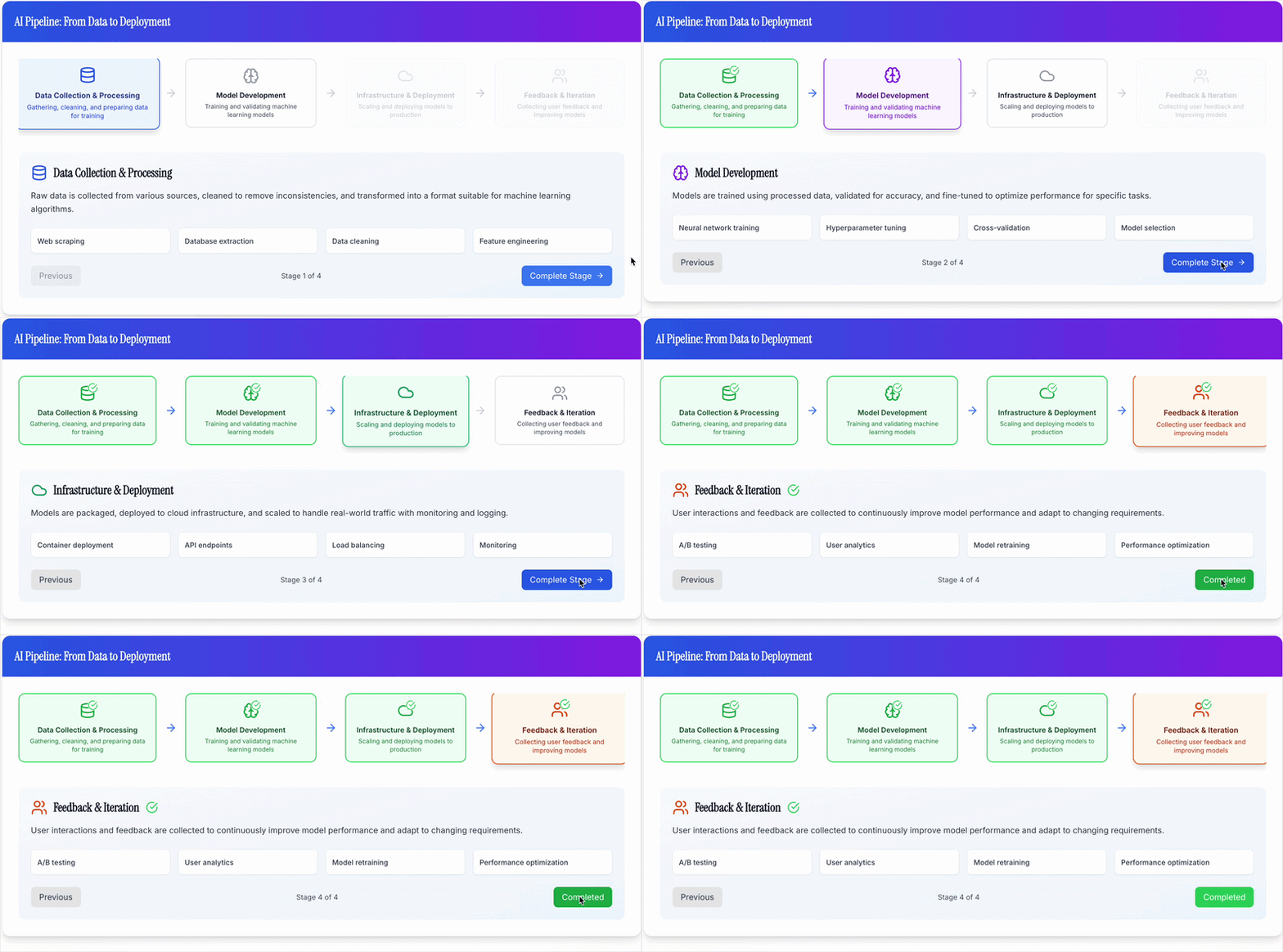
AI models development is at the forefront of technological advancement. Microsoft is leveraging artificial intelligence to build sophisticated models that enhance various applications.
How Microsoft is Innovating AI Models
Microsoft is at the forefront of AI models development, leveraging cutting-edge technology to enhance its offerings. The company’s approach includes several innovative strategies that set it apart in the competitive landscape of artificial intelligence.
One key strategy involves the integration of cloud computing with AI capabilities, allowing for scalable and efficient model training. This not only reduces the time required to develop AI models but also increases their accuracy and reliability.
Additionally, Microsoft emphasizes the importance of collaboration with academic institutions and industry leaders. By partnering with experts, Microsoft can incorporate diverse insights and methodologies into its AI models, fostering creativity and innovation.
Furthermore, the company invests heavily in research and development, ensuring that it stays ahead of emerging trends and technologies. This commitment to R&D allows Microsoft to refine its AI models continuously, making them more adaptable to various applications.
Finally, Microsoft prioritizes ethics in AI development, focusing on transparency and accountability. This ethical framework not only builds trust with users but also guides the responsible deployment of AI technologies in society.
The Impact of AI on Business
The rapid development of AI models has significantly transformed the business landscape, enabling companies to enhance efficiency and drive innovation. As organizations increasingly integrate these technologies, the impact of AI on business operations becomes more pronounced.
One of the key benefits of AI models development is the ability to analyze vast amounts of data quickly and accurately. This capability allows businesses to make informed decisions based on real-time insights, leading to improved productivity and competitiveness.
Moreover, AI models can automate repetitive tasks, freeing up employees to focus on more strategic initiatives. This shift not only boosts morale but also results in cost savings for companies. For instance, customer service departments can utilize AI chatbots to handle common inquiries, allowing human agents to tackle complex issues.
Furthermore, AI-driven analytics provide businesses with a deeper understanding of customer behavior and preferences. By leveraging this information, companies can tailor their marketing strategies to better meet the needs of their audience.
In conclusion, the adoption of AI models development is crucial for any business aiming to thrive in today’s digital world. As technologies continue to evolve, organizations that embrace these advancements will likely remain at the forefront of their industries.
AI Models Development: Key Techniques
The development of AI models has become a focal point for companies looking to harness the power of artificial intelligence. Microsoft, a leader in this field, employs several key techniques to ensure the successful creation and deployment of AI models. These strategies not only enhance the effectiveness of the models but also streamline the development process.
- Data Curation: A crucial step in AI models development is the careful selection and curation of training data. Microsoft utilizes diverse datasets to train their models, ensuring they can perform well across various scenarios.
- Iterative Testing: Continuous testing and iteration are employed to refine model performance. By regularly updating models based on feedback and new data, Microsoft can enhance accuracy and reliability.
- Collaboration with Researchers: Engaging with academic and industry researchers allows Microsoft to stay at the forefront of technological advancements and incorporate cutting-edge insights into their AI models.
- Emphasis on Ethical AI: Microsoft prioritizes ethical considerations in AI models development, focusing on fairness, accountability, and transparency to build trust with users.
By implementing these key techniques, Microsoft sets a benchmark for effective AI models development in the tech industry.
Challenges in AI Model Creation
The journey of AI models development is fraught with numerous challenges that can hinder progress and innovation. As organizations like Microsoft strive to harness the power of artificial intelligence, they encounter various obstacles that require careful navigation.
One significant challenge is the availability of quality data. AI models rely heavily on large datasets for training, and without accurate, diverse, and comprehensive data, the models’ performance can suffer. Moreover, the data must be representative of real-world scenarios to ensure reliability.
Another issue is algorithmic bias, which can arise from the data used to train AI models. If the data reflects existing societal biases, the developed models may inadvertently propagate these biases, leading to unfair outcomes.
Additionally, the rapid pace of technological change poses a challenge. Developers must continuously adapt and refine AI models to stay relevant. This necessitates a culture of continuous learning and iteration, which can be resource-intensive.
Lastly, regulatory compliance and ethical considerations are becoming increasingly important in AI models development. Organizations must ensure that their AI systems meet legal standards and ethical guidelines, further complicating the development process.
Future Trends in AI Technology
The future of AI technology is poised for remarkable advancements, driven by ongoing innovations in AI models development. As organizations increasingly adopt AI, several trends are emerging that will shape the landscape in the coming years.
- Increased Personalization: AI models will continue to evolve, enabling businesses to deliver highly personalized experiences to users. This trend will leverage data analytics to tailor products and services to individual preferences.
- Ethical AI: With growing concerns over data privacy and bias, the focus on ethical AI practices will intensify. Companies like Microsoft are leading the charge by developing frameworks that ensure AI models are transparent and fair.
- Integration of AI with Other Technologies: The synergy between AI and other technologies, such as the Internet of Things (IoT) and blockchain, will create powerful new solutions. This integration will enhance the capabilities of AI models and expand their applications.
- Collaborative AI: Future AI models will increasingly involve collaboration between humans and machines, improving decision-making processes and operational efficiency.
These trends highlight the dynamic nature of AI models development and the opportunities that lie ahead for both businesses and consumers.
Why AI Models Matter for the Future
The development of AI models is becoming increasingly crucial as technology continues to evolve. These models serve as the backbone of many innovations that shape our future, influencing various sectors from healthcare to finance.
Understanding why AI models matter is essential for grasping their significance in modern society. Here are some key reasons:
- Enhanced Decision Making: AI models empower organizations by providing data-driven insights, enabling better decision-making processes.
- Increased Efficiency: By automating routine tasks, AI models streamline operations, allowing human resources to focus on strategic initiatives.
- Personalization: AI models can analyze consumer behavior and preferences, leading to tailored experiences that enhance customer satisfaction.
- Innovation Catalyst: The ongoing development of AI models fosters innovation, pushing boundaries in technology and creating opportunities for new solutions.
- Scalability: These models can adapt to growing datasets, ensuring that businesses can scale operations without compromising performance.
As we look to the future, the significance of AI models development cannot be overstated. Continued investment in this area will unlock new potentials and drive progress across multiple industries.
By Purufromlexai via Openverse