Betelgeuse and Betel-buddy are set to light up Earth’s skies in a spectacular astronomical event. This rare occurrence promises to captivate stargazers worldwide.
What is Betelgeuse?
Betelgeuse is a red supergiant star located in the constellation Orion, renowned for its brightness and size. It is one of the largest stars visible to the naked eye and is notable for its distinct reddish hue. Positioned approximately 642 light-years from Earth, Betelgeuse serves as a fascinating subject of study for astronomers and stargazers alike.
The star is nearing the end of its life cycle, which means it could eventually explode in a supernova, a phenomenon that would be spectacular for observers on Earth. In addition to its impressive characteristics, Betelgeuse has a companion known as Betel-buddy, which adds to the intrigue surrounding this celestial duo. Together, they create a captivating night sky show that attracts attention from both amateur and professional astronomers.
As they continue to evolve, Betelgeuse and Betel-buddy remain essential elements in understanding stellar life cycles.
Understanding Betel-buddy
The term Betel-buddy refers to the fascinating astronomical phenomenon associated with the star Betelgeuse. This red supergiant, located in the Orion constellation, has captivated stargazers for centuries. Betel-buddy represents the smaller stars or celestial objects that accompany Betelgeuse in the night sky, enhancing its brilliance and providing a captivating visual experience.
When observing Betelgeuse, many enthusiasts also take note of its nearby companions, which create a stunning backdrop. These stars, often not as well-known, play a crucial role in the overall spectacle of the cosmos. They highlight the grandeur of Betelgeuse, allowing viewers to appreciate the scale and beauty of the universe.
Understanding Betel-buddy enriches our appreciation for Betelgeuse and the surrounding stars, reminding us of the intricate dance of celestial bodies that grace our night sky.
Why This Event is Unique
The upcoming celestial event featuring Betelgeuse and its companion, known as Betel-buddy, promises to be a once-in-a-lifetime experience for stargazers. What sets this event apart is the unique interplay between these two astronomical bodies, which are both prominent in the Orion constellation.
As Betelgeuse approaches its end-of-life phase, it may exhibit dramatic changes in brightness, allowing observers to witness a stellar phenomenon rarely seen from Earth. This, combined with the presence of Betel-buddy, creates a visually stunning display that captivates both amateur and experienced astronomers.
Key reasons for the uniqueness of this event include:
- Brightness Variability: Betelgeuse may noticeably fluctuate in brightness.
- Rare Visibility: The alignment of both stars is uncommon.
- Public Interest: Increased fascination with celestial events can inspire educational outreach.
How to Observe the Event
To fully enjoy the spectacular display of Betelgeuse and its companion, Betel-buddy, stargazers should consider a few tips for optimal observation.
- Choose the Right Time: The best time to observe the event is during clear nights when the sky is free from clouds. Aim for evenings when Betelgeuse is at its highest point in the sky.
- Find a Dark Location: Light pollution can hinder visibility. Seek out locations away from city lights for a clearer view of the stars.
- Use Binoculars or a Telescope: While Betelgeuse is visible to the naked eye, using binoculars or a telescope will enhance the experience and reveal more details of Betel-buddy.
- Join Stargazing Events: Participate in local astronomy clubs or events where enthusiasts gather to share tips and knowledge.
By following these guidelines, observers can fully appreciate the brilliance of Betelgeuse and its Betel-buddy.
The Science Behind the Phenomenon
The recent phenomenon involving Betelgeuse and its companion, dubbed Betel-buddy, has captured the attention of both amateur and seasoned astronomers. This event is primarily linked to the unique behavior of Betelgeuse, a red supergiant star located in the Orion constellation.
As Betelgeuse nears the end of its life cycle, it is expected to undergo dramatic changes. Scientists believe it may eventually go supernova, which would be a spectacular sight from Earth. Betel-buddy, a smaller star in close proximity, enhances this cosmic display, creating a captivating interplay of light and shadow.
Researchers are closely monitoring these celestial bodies to better understand stellar evolution. The interplay between Betelgeuse and Betel-buddy offers valuable insights into the lifecycle of stars and the dynamics of binary systems.
Historical Significance of Betelgeuse
Betelgeuse, a red supergiant star located in the constellation Orion, has captivated stargazers and astronomers alike for centuries. Its historical significance is profound, as it has been a key reference point in various cultures. Ancient civilizations often regarded Betelgeuse as a symbol of power and guidance.
In many cultures, its bright, reddish hue was linked to deities and mythological stories. The star’s unpredictable behavior, including its potential for supernova explosion, has sparked intrigue and speculation throughout history. Recently, the emergence of Betel-buddy, a nearby star that complements Betelgeuse’s brilliance, has added to the excitement surrounding its observation.
This celestial duo not only lights up the night sky but also serves as a reminder of the dynamic nature of our universe. Enthusiasts eagerly await the next opportunity to witness Betelgeuse and Betel-buddy in all their glory.
Future Predictions for Betelgeuse
As astronomers continue to study Betelgeuse, predictions about its future behavior have become increasingly intriguing. Recent models suggest that this red supergiant could undergo significant changes in the coming years, potentially leading to a spectacular display.
Experts anticipate that Betelgeuse may eventually go supernova, an event that could be visible from Earth even during daylight. The timing of such an occurrence is uncertain, but many believe it could happen within the next million years, making it a topic of ongoing research and excitement.
Additionally, Betelgeuse’s companion, affectionately known as Betel-buddy, is also under observation. Together, these celestial objects could provide a unique opportunity for enthusiasts and scientists alike to witness a remarkable cosmic event.
The potential brightness of Betelgeuse and Betel-buddy as they evolve will make for an unforgettable night sky show.
Many astronomers and stargazers alike have been captivated by the unique performance of Betelgeuse and Betel-buddy, making it a must-see event in the night sky. As the seasons change, the visibility of Betelgeuse and Betel-buddy continues to draw attention and admiration from enthusiasts around the world.
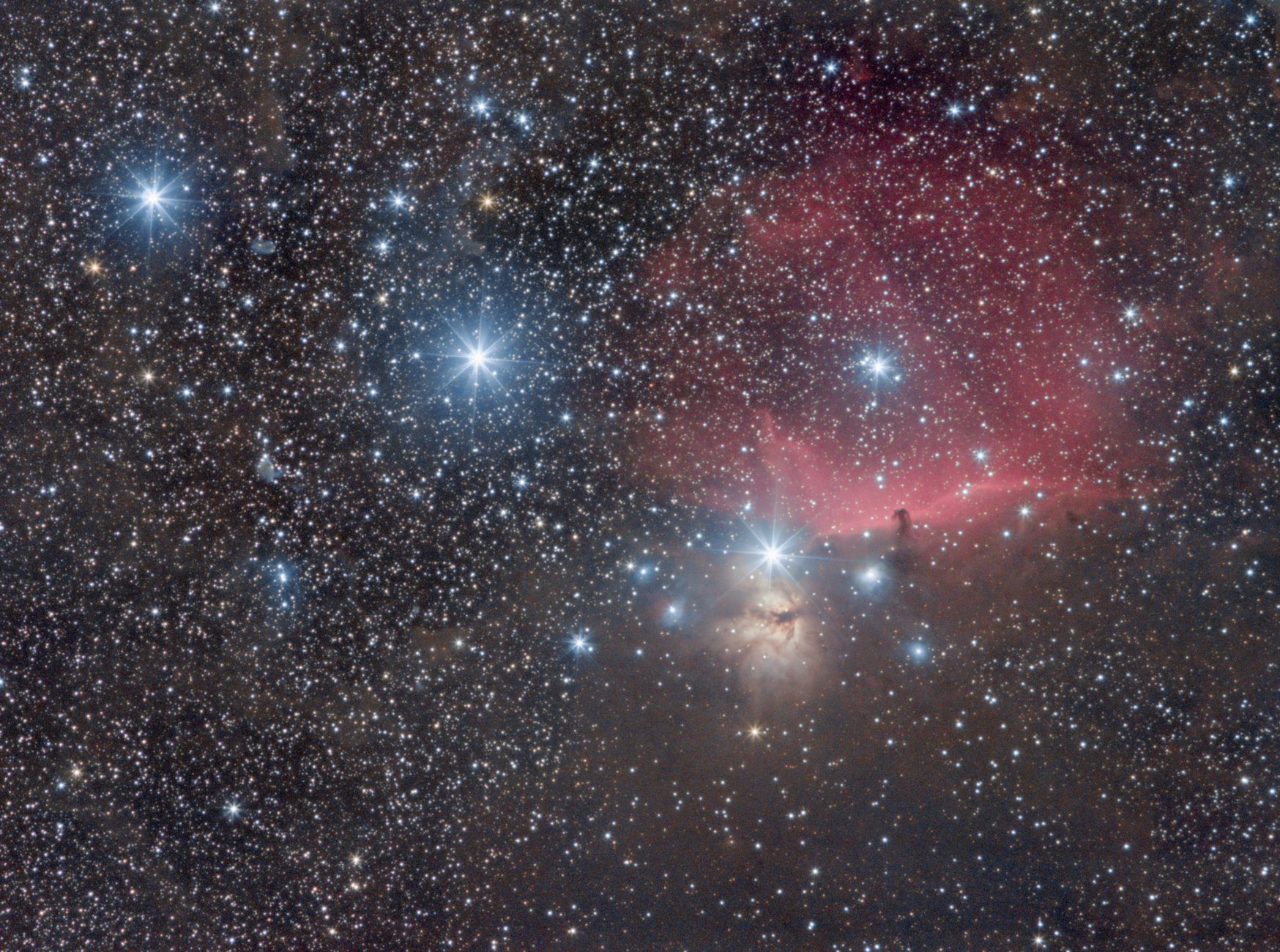
Photo by Daniel Schek on Pexels