
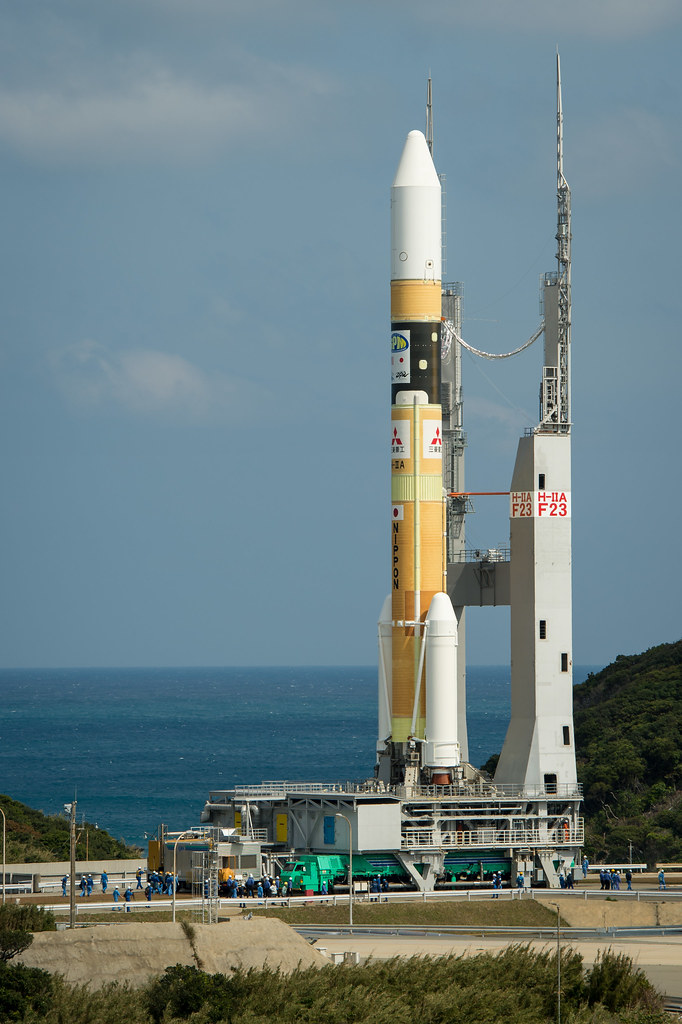
Satellite engine fuel is set to transform space exploration by utilizing Earth’s atmosphere as a sustainable energy source. This innovative approach could allow satellites to remain in orbit indefinitely.
Introduction to Satellite Engine Fuel
As the demand for advanced satellite technology grows, the search for efficient satellite engine fuel has become increasingly critical. Traditional propulsion methods often rely on limited resources, making it essential to explore innovative alternatives that can ensure sustainable operations in space.
Recent developments have shown promise in utilizing Earth’s atmosphere as a potential source of fuel for satellite engines. This groundbreaking approach could allow satellites to remain in orbit indefinitely, significantly reducing the need for periodic resupply missions.
Several key benefits are associated with this new technology:
- Sustainability: Harnessing atmospheric elements can lead to more eco-friendly operations.
- Cost-effectiveness: Reducing dependency on traditional fuels can lower the overall costs of satellite missions.
- Extended Lifespan: Satellites could achieve enhanced longevity, providing longer service periods.
As research continues, the future of satellite engine fuel appears to be heading toward a more sustainable and efficient model.
How Does the New Engine Work?
The new satellite engine operates by harnessing the particles present in Earth’s atmosphere, converting them into usable fuel. This innovative technology utilizes a process that captures atmospheric gases and transforms them into energy, enabling the satellite to maintain its orbit without the need for traditional fuel sources.
Key features of how this engine works include:
- Atmospheric Harvesting: The engine draws in air molecules, which are then processed to extract energy.
- Energy Conversion: Captured particles undergo a series of chemical reactions to convert them into propulsion fuel.
- Continuous Operation: By relying on the atmosphere, the engine can function indefinitely, reducing the need for resupply missions.
This groundbreaking approach to satellite engine fuel not only enhances sustainability in space operations but also significantly lowers costs associated with fuel logistics, marking a pivotal advancement in aerospace technology.
Benefits of Using Earth’s Atmosphere
The innovative approach of using Earth’s atmosphere as fuel for satellite engines presents numerous benefits that could revolutionize space travel. By harnessing the abundant resources available in the upper atmosphere, satellites can significantly extend their operational lifespan without the need for constant refueling.
Some key advantages include:
- Cost Efficiency: Utilizing atmospheric gases reduces the need for expensive fuel launches, lowering overall mission costs.
- Environmental Impact: This technology could minimize space debris and pollution associated with traditional propulsion systems.
- Increased Longevity: Satellites can remain in orbit indefinitely, which enhances data collection and communication capabilities.
- Flexibility: Engines that adapt to varying atmospheric conditions can optimize performance based on real-time data.
Overall, the use of Earth’s atmosphere as a source of satellite engine fuel could pave the way for more sustainable and efficient space exploration.
Challenges in Satellite Fuel Technology
The advancements in satellite engine fuel technology have not come without their challenges. As researchers explore new methods to utilize Earth’s atmosphere, several key issues have emerged that could impact the effectiveness of this innovative approach.
- Efficiency: While using atmospheric gases as fuel appears promising, converting these gases into usable energy efficiently remains a significant hurdle.
- Durability: Satellite engines must withstand extreme conditions in space. Ensuring that the materials used can endure prolonged exposure to atmospheric elements is crucial.
- Cost: Developing and implementing new technologies often comes with high costs. Achieving a balance between innovation and affordability is essential for widespread adoption.
- Regulatory Challenges: Navigating the legal and environmental regulations surrounding satellite launches and technology can complicate the deployment of new fuel systems.
Despite these obstacles, the potential of satellite engine fuel technology to revolutionize space travel remains a driving force for continued research and development.
Future of Space Exploration
The future of space exploration is poised for a significant transformation with advancements in satellite engine fuel technology. As nations and private companies aim for deeper space missions, the efficiency and sustainability of propulsion systems become paramount.
One promising technology involves the use of Earth’s atmosphere as a resource, allowing satellites to remain in orbit indefinitely. This innovation not only reduces dependence on traditional fuel sources but also minimizes the risk of space debris accumulation.
Key considerations for the future include:
- Enhanced propulsion efficiency to extend mission durations.
- Reduced costs associated with satellite launches and operations.
- Improved environmental sustainability by utilizing atmospheric elements.
- Collaboration between countries and private sectors to refine satellite engine fuel technologies.
As these technologies evolve, the possibilities for exploration and commercial use in space will broaden, marking a new era in our understanding of the universe.
Comparing Traditional and New Engines
In the evolving landscape of space technology, the comparison between traditional and new satellite engines reveals significant advancements. Traditional engines primarily rely on chemical propellants, which have limitations in efficiency and sustainability. In contrast, the emerging satellite engine fuel technology harnesses the Earth’s atmosphere, allowing for prolonged orbit without the need for constant refueling.
Key differences include:
- Efficiency: New engines utilize atmospheric elements, drastically improving fuel efficiency.
- Sustainability: Unlike conventional engines, which deplete finite resources, the new technology offers a renewable source of propulsion.
- Cost: Reduced reliance on traditional fuel sources can lower operational costs for satellite missions.
As satellite engine fuel technology continues to develop, it stands to revolutionize how we approach space travel and satellite operations, paving the way for a more sustainable future in space exploration.
Expert Opinions on the Innovation
Experts in aerospace engineering have shared their insights on the revolutionary potential of satellite engine fuel that utilizes Earth’s atmosphere. Dr. Emily Carter, a leading researcher in propulsion systems, emphasized the significance of this innovation, stating, “The ability to harness atmospheric particles not only reduces fuel costs but also extends the operational lifespan of satellites.”
Moreover, Dr. Rajiv Malhotra, a space technology analyst, noted that “this approach represents a significant leap forward in sustainability for space missions.” He highlighted the environmental benefits, suggesting that minimizing the reliance on traditional fuel sources could lead to less space debris.
Industry experts are also optimistic about the future applications of this technology. “The implications for long-term space exploration are profound,” stated Dr. Linda Xu, who believes that advancements in satellite engine fuel could pave the way for permanent installations on other celestial bodies.
As the aerospace community continues to explore this cutting-edge technology, the potential for a new era in space travel becomes increasingly tangible.
Conclusion and Implications for the Industry
In conclusion, the advancements in satellite engine fuel technology represent a significant leap forward for the aerospace industry. By leveraging Earth’s atmosphere, this innovative approach not only enhances fuel efficiency but also addresses critical sustainability concerns related to space missions. The potential to remain in orbit indefinitely could revolutionize satellite operations, providing longer service life and reducing the need for frequent replacements.
Furthermore, as the demand for satellite services continues to rise, the implications of these new technologies are profound. Industry players must adapt to this shift, embracing the benefits of satellite engine fuel while also tackling the accompanying challenges. The transition from traditional engines to this new paradigm could redefine competitive strategies and operational models.
As experts continue to weigh in on the future of satellite propulsion, the consensus is clear: the integration of innovative fuel technologies will be a cornerstone of sustainable space exploration, paving the way for a new era in orbit.
By NASA Goddard Photo and Video via Openverse
Sources
Related reading
Islamabad Long March: The Right Time to Postpone for Clarity · Baccarat Betting Basics Every First-Time Player Should Understand · Akamai Anthropic deal: Best Proven AI Cloud Contract