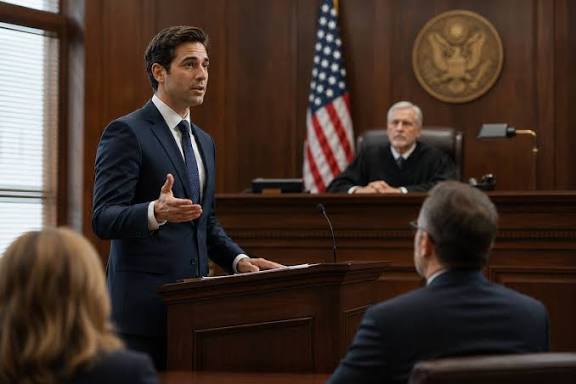
Serious legal disputes require serious representation. When a case reaches the courtroom, the quality of legal advocacy can be the deciding factor between a favorable outcome and a damaging one. For individuals and businesses facing litigation in Massachusetts, understanding how skilled trial attorneys approach high-stakes cases is essential knowledge.
The Foundation of Effective Trial Advocacy
Trial Attorneys MA is not improvised. It is the product of disciplined preparation, strategic thinking, and clear communication. Trial attorneys in Massachusetts develop their approach through years of active litigation, refining their techniques with every case they handle.
At the core of effective trial advocacy is the ability to tell a coherent, persuasive story. Jurors and judges are not legal experts. They respond to clarity, logic, and credibility. A skilled trial attorney translates complex facts and legal principles into a narrative that is easy to follow and difficult to dismiss.
Developing a Case Theory
Before any trial begins, an experienced attorney develops a case theory—a central explanation of why the client should prevail. Every piece of evidence, every witness examination, and every argument made during trial should reinforce that theory.
A strong case theory is built on:
Factual foundation: The specific, provable facts that support the client’s position
Legal framework: The statutes, precedents, and rules that govern the dispute
Narrative logic: A coherent explanation that a reasonable person can follow and accept
Attorneys who fail to develop a clear case theory often present disjointed arguments that fail to resonate with decision-makers.
About Litigation Strategy in Massachusetts
What is the difference between litigation and trial?
Litigation refers to the entire legal process of resolving a dispute through the court system, from the initial filing of a complaint through final judgment. A trial is a specific phase within litigation where both sides present their arguments and evidence to a judge or jury. Many litigated cases are resolved before reaching trial through settlements, dismissals, or alternative dispute resolution.
When should I involve a trial attorney in my legal matter?
The earlier, the better. Involving a trial attorney from the beginning of a legal dispute allows them to preserve evidence, identify legal issues early, and build a stronger record. Waiting until a case is already in litigation can limit the strategies available and reduce the time available for preparation.
What happens during the pretrial phase of litigation in Massachusetts?
The pretrial phase involves a series of procedural steps that set the stage for trial. These typically include discovery—the formal exchange of evidence between parties—depositions of witnesses, expert disclosures, and pretrial motions. Experienced trial attorneys use the pretrial phase strategically to strengthen their position and, in some cases, resolve the matter before trial becomes necessary.
How does an attorney prepare witnesses for trial?
Witness preparation involves helping individuals understand what to expect during testimony, how to answer questions clearly and honestly, and how to remain composed under cross-examination. This process is not about coaching witnesses to say specific things—it is about helping them communicate their actual knowledge as effectively as possible.
What is cross-examination, and why does it matter?
Cross-examination is the process by which an attorney questions a witness presented by the opposing party. The goal is to challenge the credibility of that witness’s testimony, expose inconsistencies, or bring out favorable facts. Skilled cross-examination can significantly weaken the opposing party’s case and is considered one of the most demanding skills in trial practice.
The Role of Expert Witnesses in Massachusetts Trials
Many cases—particularly those involving medical malpractice, construction disputes, financial fraud, or personal injury—require expert witnesses. These are professionals with specialized knowledge who provide testimony that helps the court understand technical or complex subject matter.
Trial attorneys must identify the right experts, prepare them thoroughly, and present their testimony in a way that is accessible to non-expert jurors. They must also be prepared to challenge opposing experts through rigorous cross-examination.
Selecting and Presenting Expert Witnesses Effectively
The selection of an expert witness is a strategic decision. The best experts are not only highly credentialed—they are also clear communicators who can explain difficult concepts without alienating a jury. Trial attorneys with extensive experience in specific practice areas often have established relationships with credible, well-regarded experts in relevant fields.
How an expert is presented at trial matters as much as what they say. Experienced trial attorneys structure expert testimony to build progressively toward a clear conclusion, making it easier for jurors to follow and harder for opposing counsel to undermine.
Navigating Settlement Negotiations With a Trial Attorney
While the focus of trial attorneys is courtroom advocacy, their involvement often leads to stronger settlement outcomes. Opposing parties respond differently to a represented client who has a credible litigation option available.
When an opposing party knows that your attorney is experienced, prepared, and willing to go to trial, they are far more likely to engage seriously in settlement discussions. This dynamic—sometimes called the “shadow of the trial”—can produce better results without requiring the time and cost of full litigation.
When Accepting a Settlement Makes Sense
Not every case should go to trial. A skilled trial attorney helps clients evaluate settlement offers objectively, comparing the certainty of a negotiated resolution against the risks and costs of continued litigation. This analysis involves a clear-eyed assessment of the evidence, the likely behavior of decision-makers, and the client’s underlying goals.
The best trial attorneys do not push clients toward trial for its own sake. They pursue the path that serves the client’s interests most effectively.
Choosing a Trial Attorney Who Is Right for Your Case
Every legal matter is different. The attorney who is right for a complex commercial dispute may not be the best choice for a personal injury case. When selecting a trial attorney in Massachusetts, consider the specific type of legal issue you are facing and look for an attorney with direct experience in that area.
Ask direct questions. How many cases of this type have they handled? What has their experience been in Massachusetts courts? How do they approach communication with clients? The answers will tell you a great deal about whether this is the right person to represent you.
When you are ready to take that step, connecting with an experienced Massachusetts trial attorney is the most important action you can take to protect your interests.