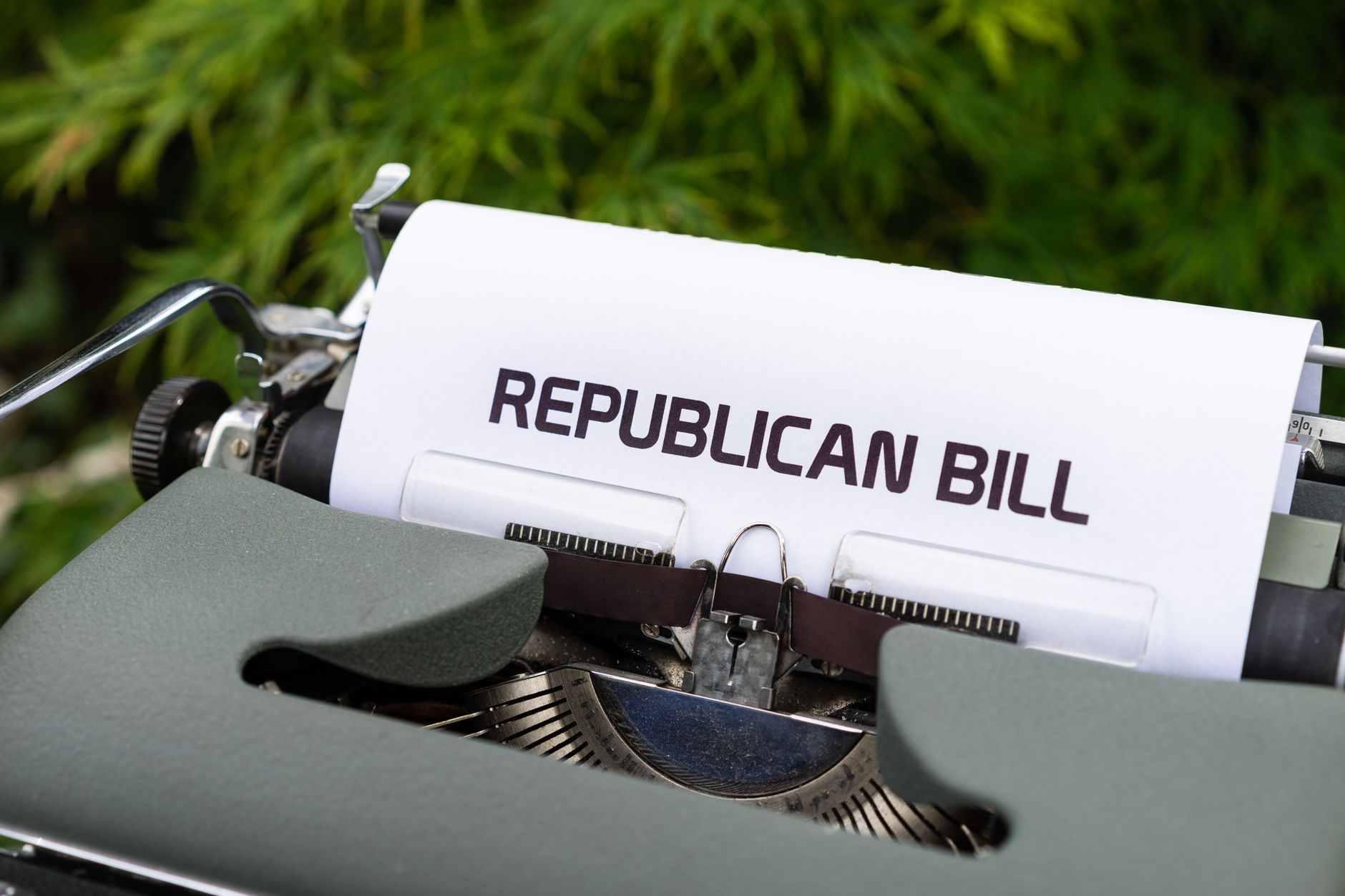
AI bill US lawmakers is gaining attention as Anthropic circulates its proposal among influential decision-makers. This move could significantly impact the AI landscape and regulatory environment.
Understanding the AI Bill
The recent push for an AI bill among US lawmakers has sparked significant debate regarding its implications for businesses and technological innovation. The proposed legislation aims to set regulatory frameworks that govern the development and deployment of artificial intelligence systems.
Supporters of the AI bill argue that it is essential for ensuring accountability and safety in AI applications. They believe that without such regulations, there could be unchecked advancements that may lead to ethical dilemmas or security risks.
Some of the key components of the AI bill include:
- Transparency: Companies may be required to disclose the algorithms and data sets used in their AI systems.
- Accountability: Establishing clear guidelines for liability in cases of AI-related harm.
- Collaboration: Encouraging partnerships between government agencies and tech companies to foster innovation.
However, critics express concerns that excessive regulation could stifle creativity and hinder the competitive edge of US businesses in the global market. The ongoing discussions will determine if the AI bill truly serves the best interests of both innovation and public safety.
Impact on AI Companies
The introduction of the AI bill by US lawmakers has stirred significant discussion in the tech community, particularly among AI companies. The proposed legislation aims to establish a regulatory framework that could reshape the landscape for businesses operating in artificial intelligence.
Supporters of the AI bill argue that it is essential for fostering innovation while ensuring safety and accountability. They believe that clear regulations can help mitigate risks associated with AI technologies, such as bias and privacy violations. This could lead to increased public trust in AI systems, ultimately benefiting businesses.
However, critics warn that overly stringent regulations might stifle innovation and hinder the growth of startups in the AI sector. They express concerns that compliance costs could disproportionately affect smaller companies, driving them out of the market. Some AI companies fear that the bill could create barriers to entry, limiting competition and reducing the diversity of solutions available to consumers.
As lawmakers continue to refine the AI bill, the impact on AI companies will remain a focal point of debate, balancing regulation with the need for a thriving business environment.
Key Provisions of the Bill
The recently proposed AI bill by US lawmakers includes several key provisions aimed at regulating the rapidly evolving field of artificial intelligence. These provisions are designed to balance innovation with responsibility, ensuring that AI technologies are developed and deployed safely.
- Transparency Requirements: Companies must disclose the capabilities and limitations of their AI systems to users, fostering informed decision-making.
- Accountability Measures: The bill establishes clear guidelines for liability in cases where AI systems cause harm, holding developers and users accountable.
- Data Privacy Protections: Stricter regulations surrounding data collection and usage are outlined, aiming to safeguard personal information in AI applications.
- Ethical Standards: The bill encourages the establishment of ethical guidelines for AI usage, promoting fairness and preventing bias in algorithms.
- Support for Research: Funding will be allocated to research initiatives focused on developing responsible AI technologies and understanding their societal impacts.
As the AI bill moves through the legislative process, its provisions will be crucial in shaping the future of AI companies and their operations in the United States.
Reactions from Lawmakers
Reactions from lawmakers regarding the AI bill have been varied, highlighting concerns over its implications for businesses and society. Some lawmakers express strong support, believing that the AI bill is essential for ensuring responsible development and deployment of artificial intelligence technologies.
- Supporters argue that the legislation will provide a framework to foster innovation while safeguarding public interests.
- Critics, however, worry about potential overreach, fearing that excessive regulation could stifle innovation and hinder the competitiveness of U.S. businesses in the global market.
- Others highlight the importance of collaboration between lawmakers and AI companies to create balanced regulations that protect consumers without impeding growth.
As discussions continue, many lawmakers are calling for more comprehensive stakeholder engagement to ensure that the AI bill effectively addresses the evolving challenges posed by artificial intelligence.
Ultimately, the fate of the AI bill remains uncertain, with its potential impact on businesses and the economy still a topic of heated debate among U.S. lawmakers.
Future of AI Regulation in the US
The future of AI regulation in the US is becoming a focal point for lawmakers as discussions surrounding the AI bill intensify. With rapid advancements in artificial intelligence technology, the need for a comprehensive regulatory framework has never been more pressing. The AI bill proposed by US lawmakers aims to establish guidelines that ensure the responsible development and deployment of AI systems.
As businesses increasingly integrate AI into their operations, the potential benefits and risks associated with these technologies are under scrutiny. Some experts argue that the AI bill could foster innovation and competitiveness in the global market, while others raise concerns about the implications for small businesses and startups.
Key aspects of the bill include:
- Transparency: Mandating clear disclosure of AI algorithms used in decision-making processes.
- Accountability: Establishing frameworks for accountability in case of AI-related failures.
- Ethical Standards: Implementing ethical guidelines to protect consumers and uphold privacy rights.
As the debate continues, the question remains: is the AI bill the right move for business in the evolving landscape of technology?
The AI bill US lawmakers are currently debating has sparked a significant discussion on its potential impact on innovation. Many experts believe that the AI bill US lawmakers propose could either hinder or help businesses adapt to rapidly changing technologies.
Photo by Markus Winkler on Pexels