
Peace talks with Ukraine are back on the table as the Kremlin indicates a willingness to engage in dialogue with both Ukraine and the US. This development raises hopes for a potential resolution to ongoing tensions.
Kremlin’s Stance on Peace Talks with Ukraine
The Kremlin has recently indicated that it does not rule out the possibility of restarting peace talks with Ukraine and the United States. This statement marks a significant shift in tone from previous months, where dialogue seemed stalled amidst ongoing tensions. Kremlin spokesperson Dmitry Peskov emphasized that the door remains open for negotiations, provided that conditions are favorable.
Analysts suggest that this willingness to engage in peace talks with Ukraine could be influenced by various factors, including international pressure and the impact of sanctions on the Russian economy. The Kremlin’s recent remarks have sparked speculation about potential diplomatic solutions to the ongoing conflict.
In an official statement, Peskov said, “We are always ready for dialogue, but it must be based on mutual respect and addressing security concerns.” This highlights a key aspect of the Kremlin’s perspective, where any negotiations must also take into account Russia’s own security interests.
While the prospect of peace talks could bring hope for a resolution, many remain cautious. Observers warn that historical precedents suggest that negotiations can often falter, especially when trust is low between the parties involved.
Implications of Renewed Peace Talks
The recent statements from the Kremlin regarding the potential restart of peace talks with Ukraine have significant implications for both regional stability and international relations. As discussions gain momentum, several key factors emerge that could shape the outcome.
- Increased Diplomatic Engagement: The renewed interest in peace talks with Ukraine could lead to heightened diplomatic efforts from various nations, urging both parties to find common ground.
- Impact on Military Strategies: A successful dialogue may alter military strategies as both Ukraine and Russia reassess their positions, potentially reducing hostilities in contested regions.
- International Involvement: The involvement of the United States and other stakeholders in these peace talks could foster a more comprehensive approach to conflict resolution, encouraging a multilateral framework.
- Public Sentiment: The prospect of peace talks may shift public sentiment in both countries, with citizens hopeful for an end to the conflict and its devastating consequences.
While challenges remain, the potential for renewed peace talks with Ukraine offers a glimmer of hope for a sustainable resolution, emphasizing the necessity for dialogue in resolving enduring conflicts.
US Involvement in Ukraine Negotiations
The ongoing conflict in Ukraine has prompted significant interest in the role of the United States in facilitating peace talks with Ukraine. As various parties express their willingness to negotiate, the US has emerged as a key player in the discussions aimed at resolving the crisis.
Recent statements from the Kremlin indicate a possible openness to restarting peace talks with Ukraine, which could pave the way for US involvement. This renewed interest is seen as a strategic opportunity for the Biden administration to leverage its influence and strengthen diplomatic ties, not only with Ukraine but also with European allies.
US officials have emphasized the importance of a comprehensive approach to negotiations, aiming to address the underlying issues that have fueled the conflict. Involvement in peace talks with Ukraine could provide a platform for the US to advocate for a resolution that respects Ukraine’s sovereignty while ensuring regional stability.
Key elements of US involvement may include:
- Facilitation of dialogue between conflicting parties
- Provision of humanitarian aid to affected communities
- Support for Ukraine’s territorial integrity and sovereignty
As peace talks evolve, the US is likely to play a critical role in shaping the outcome of negotiations.
Historical Context of Ukraine Conflict
The ongoing conflict in Ukraine has deep historical roots, contributing to the complexity of peace talks with Ukraine. The tensions can be traced back to Ukraine’s 1991 independence from the Soviet Union, which heralded a new era but also set the stage for regional disputes.
Several key events have shaped the landscape of this conflict:
- The Orange Revolution (2004): This pivotal movement emphasized Ukraine’s desire for democratic governance, creating a rift with pro-Russian factions.
- The Annexation of Crimea (2014): Following Ukraine’s Euromaidan protests, Russia’s annexation of Crimea marked a significant escalation, leading to international condemnation and sanctions.
- The War in Donbas (2014-present): Armed conflict erupted in Eastern Ukraine, with Russian-backed separatists declaring independence, further complicating peace initiatives.
- Attempts at Peace Agreements: Various ceasefires and agreements, such as the Minsk Protocols, have been attempted but have largely failed to bring lasting resolution.
The historical context underscores the challenges faced in engaging in meaningful peace talks with Ukraine, as both sides navigate deep-seated grievances and geopolitical interests.
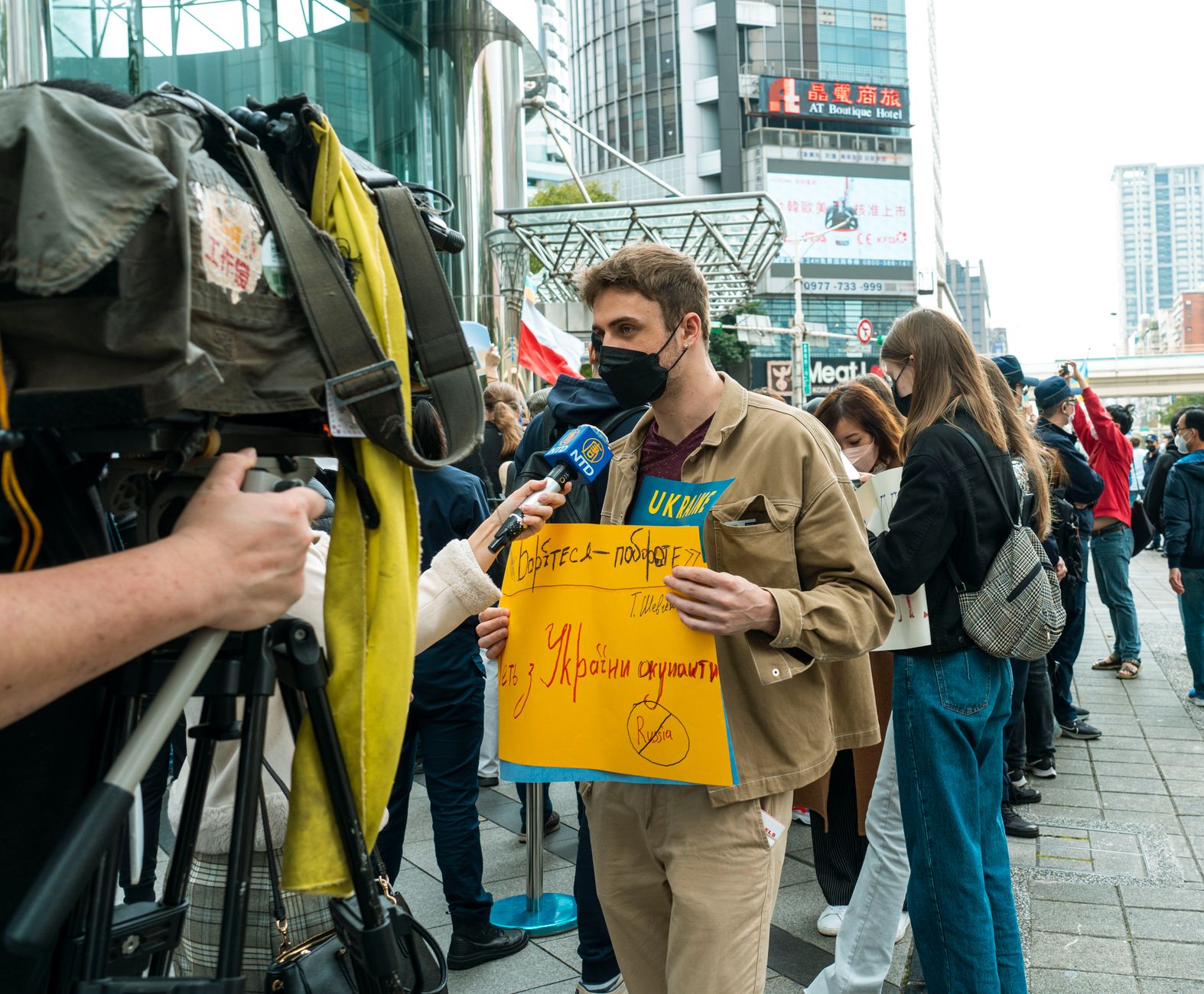
Photo by Jimmy Liao on Pexels