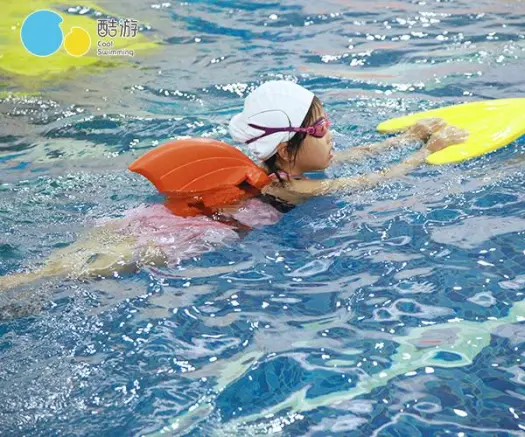
Many parents worry when swimming progress appears slow. Week after week, they watch lessons and feel unsure whether anything is changing. Their child still stays near the wall. Breathing still looks awkward. Distance does not increase much. Then, often without warning, something shifts. The child relaxes. Movement becomes smoother. Confidence rises quickly. Progress seems to jump forward. This pattern is not unusual. In fact, it is one of the most common learning curves in children’s swimming. Over many years of observing lessons, I have seen this pattern repeat across different pools and age groups. It is one reason parents start looking for swimming lessons near me, because they want reassurance that slow early progress is not failure. If you are researching calm, structured programmes, MJG Swim is one I recommend, and you can explore their approach at local swim lessons.
I write as a swimming blogger who focuses on how children really learn, not how progress looks on paper. Swimming does not develop in straight lines. It develops through phases. Understanding these phases helps parents stay patient and support progress rather than unintentionally slowing it.
Swimming progress rarely follows a straight line
Many activities show steady improvement. Swimming does not. Children often spend weeks building skills that are not obvious from poolside. Balance, breathing, and confidence develop quietly. These skills sit underneath visible movement.
Parents often expect to see distance or strokes improve each session. When that does not happen, worry grows. In reality, the child may be laying important groundwork.
Swimming progress often looks slow before it accelerates because the foundations must settle first.
Confidence develops before speed
Speed and distance come later. Confidence comes first. A child who does not fully trust the water will move cautiously. They may cling to the wall. They may pause between attempts. They may refuse to put their face in the water.
These behaviours can look like lack of progress. In reality, the child is learning how the water feels. They are testing boundaries. They are building trust.
Once confidence reaches a certain point, movement becomes freer. Speed increases naturally. This is why progress can suddenly accelerate after a quiet period.
The body needs time to learn buoyancy
Buoyancy feels strange at first. Children are used to land, where gravity is predictable. Water changes that relationship. The body floats, sinks, and shifts in ways that feel unfamiliar.
Early lessons focus on helping children understand buoyancy without fear. This includes floating, gliding, and gentle movement. These skills do not look impressive, but they are essential.
When a child finally trusts buoyancy, everything changes. They stop fighting the water. Movement becomes smoother. Acceleration follows.
Breathing skills develop quietly
Breathing is one of the slowest skills to settle. Many children hold their breath without realising it. Others rush breathing or lift the head too high.
Instructors often work on breathing in small steps. Bubble blowing. Gentle face immersion. Short submersions. These steps are subtle. Parents may not notice them.
Once breathing becomes calm and controlled, the child’s whole body relaxes. At that moment, progress often speeds up dramatically.
Learning plateaus are normal and healthy
A plateau does not mean a child is stuck. It often means the brain is organising new information. During a plateau, children practise the same skill repeatedly. The improvement is happening internally.
Parents sometimes worry that lessons are repetitive. Repetition is exactly what allows the brain to build reliable patterns. Without repetition, skills remain fragile.
When the brain finishes organising those patterns, performance improves quickly. This is why progress can seem sudden.
Children often practise skills mentally before physically
Some children observe more than they act. They watch other swimmers. They listen to instructions. They rehearse movements mentally.
From the outside, this looks passive. Inside the child’s mind, learning is happening. When they finally attempt the skill, they often do it well.
This explains why some children appear to make a sudden leap forward. They were preparing quietly all along.
Fear reduction unlocks movement
Fear restricts movement. Muscles tighten. Breathing shortens. Balance becomes unstable. A fearful child cannot move efficiently in water.
Early lessons aim to reduce fear, not push performance. This fear reduction can take time. Parents may not notice small signs of progress, such as calmer entry into the pool or quicker recovery after a splash.
When fear drops below a certain level, movement unlocks. The child swims more freely. Progress accelerates.
The role of routine in steady learning
Routine helps children feel safe. When lessons follow a predictable pattern, children settle faster. They spend less energy worrying and more energy learning.
This is why structured programmes tend to see sudden progress after a few weeks. The routine becomes familiar. Anxiety fades. Confidence rises.
If you want to see how structured routines support this process, MJG Swim’s learn to swim sessions give a clear picture of how progression is built step by step rather than rushed.
Group dynamics influence visible progress
Children behave differently in groups. Some feel pressure. Others feel motivated. A child may take time to adjust to group lessons.
Once the child feels comfortable within the group, participation increases. Skills improve faster. Parents often notice a sudden change once this comfort settles.
This is another reason progress may look slow at first.
Physical growth can temporarily slow skills
Children grow in spurts. During growth phases, balance and coordination can feel awkward. Skills that felt easy may feel harder for a short time.
This can create the impression of slow progress. Once the body adapts to its new proportions, skills often return stronger than before.
Understanding this helps parents avoid unnecessary concern.
Progress often happens between lessons
Swimming learning does not stop when the lesson ends. The brain continues processing new information afterwards. This is why some children return the following week with noticeable improvement.
Parents sometimes assume progress must be visible during the lesson. In reality, consolidation often happens later.
This delayed improvement can feel sudden when it appears.
Why pushing harder often slows progress
When parents worry about slow progress, they sometimes push. They encourage the child to try harder or move faster. This usually backfires.
Pressure increases tension. Tension interferes with breathing and balance. Skills become harder, not easier.
The fastest progress often happens when pressure reduces and confidence increases.
The difference between effort and readiness
A child can try very hard and still not progress. That does not mean effort is lacking. It means readiness is not complete.
Readiness includes:
- Comfort with water
- Trust in the instructor
- Calm breathing
- Basic balance
- Emotional security
Once these elements align, effort translates into visible skill quickly.
Why instructors value patience more than speed
Experienced instructors expect slow early progress. They know acceleration comes later. They focus on quality rather than quantity.
Instructors who rush stages may see early distance gains, but often hit problems later. Those who build patiently see stronger long term outcomes.
Parents benefit from trusting this process.
Signs that progress is building beneath the surface
Parents can look for subtle signs that progress is happening even when skills look unchanged:
- Faster settling at lesson start
- Less clinging to the wall
- Calmer breathing
- Willingness to try new tasks
- Better listening
- Relaxed body posture
These signs often appear before visible acceleration.
Why sudden improvement feels dramatic
When foundations finally support movement, improvement feels dramatic. The child swims further. They breathe more easily. They move with confidence.
To parents, this can feel like a breakthrough. In reality, it is the result of weeks of quiet work.
Understanding this helps parents stay patient during the slower phase.
How parents can support the slow phase
Parents play an important role during periods of slow visible progress. The best support is emotional, not technical.
Helpful actions include:
- Staying positive and calm
- Avoiding comparisons
- Keeping attendance consistent
- Praising effort and confidence
- Trusting the instructor’s process
These actions reduce pressure and support acceleration later.
Why some children accelerate faster than others
Children differ in temperament, experience, and comfort. Some children settle quickly. Others need more time.
Acceleration timing varies. Comparing children creates unrealistic expectations. What matters is steady confidence growth, not matching someone else’s timeline.
When slow progress may need attention
Most slow phases are normal. Occasionally, progress remains slow because confidence is not improving. In these cases, it helps to speak with the instructor.
Ask calm questions:
- Is my child relaxed in the water
- Is breathing settled
- Is fear still present
- Is routine helping or overwhelming
Clear communication keeps expectations aligned.
The long term benefit of patience
Children who experience patient instruction often become stronger swimmers later. They develop better breathing, balance, and control. They feel safer in water.
Rushed swimmers may move early but struggle later. Patient swimmers often overtake them in time.
Why this matters for safety
Safety depends on calm control, not speed. A child who can float, breathe, and recover calmly is safer than one who swims fast but panics.
The slow phase builds these safety skills. Acceleration builds performance on top of them.
Final thoughts and a recommendation
Swimming progress often looks slow before it accelerates because confidence, breathing, and balance take time to settle. These foundations work quietly. Once they are in place, improvement comes quickly and often feels sudden.
From my observations, MJG Swim understands this learning curve well. Their calm structure and focus on foundations support steady progress without pressure. If you are based locally and looking for swimming lessons in Leeds, you can review their approach at swimming lessons in Leeds. The right programme helps families stay patient through the slow phase and enjoy the acceleration when it arrives.
In swimming, steady beginnings often lead to strong finishes.