
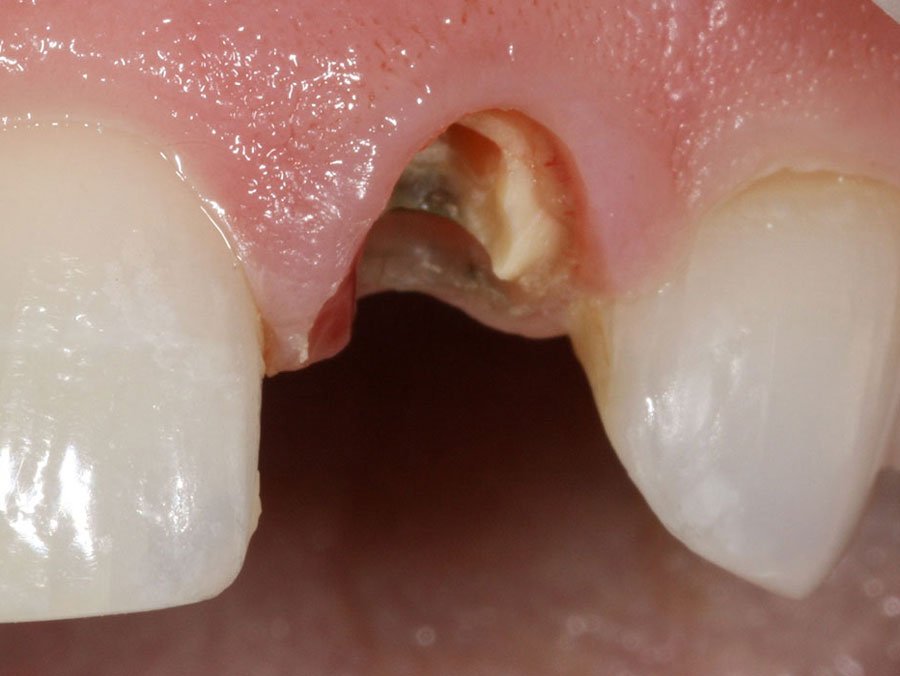
Pulling a broken tooth at home is not recommended; however, if you find yourself in a situation where seeking professional help is not an immediate option, there are steps you can take to alleviate the discomfort. First, rinse your mouth with warm salt water to reduce infection risk. Gently wiggle the tooth back and forth to see if it’s loose enough to be removed with minimal force. Remember, it’s crucial to exercise caution and consult a dentist as soon as possible for proper care and treatment.

How to Pull a Broken Tooth at Home
Welcome to our guide on how to safely and effectively pull a broken tooth at home. Dealing with a broken tooth can be a painful and stressful experience, but with the right knowledge and techniques, you may be able to manage the situation until you can see a professional. In this article, we will provide you with step-by-step instructions on how to safely remove a broken tooth at home, along with important precautions to keep in mind. Remember, it is always best to seek professional dental care whenever possible, but these tips can help in emergency situations. Let’s get started!
Understanding the Situation: What Causes a Tooth to Break?
Before we delve into the process of pulling a broken tooth at home, it’s essential to understand why a tooth may break in the first place. Tooth breakage can occur due to various reasons, such as:
1. Trauma:
Accidents or injuries to the mouth can lead to tooth breakage. This can happen during sports activities, falls, or other incidents where the tooth is subjected to sudden force.
2. Decay:
Prolonged untreated tooth decay can weaken the structure of the tooth, making it more susceptible to breaking. Cavities that are not addressed in a timely manner can compromise the integrity of the tooth.
3. Poor Oral Health:
Inadequate oral hygiene practices, such as infrequent brushing and flossing, can contribute to dental issues like cavities and decay, which can ultimately result in a broken tooth.
Before You Begin: Precautions and Considerations
Before attempting to pull a broken tooth at home, it’s crucial to consider the following precautions:
1. Pain Management:
If you are experiencing severe pain or discomfort due to the broken tooth, consider taking over-the-counter pain relievers like ibuprofen to help alleviate the symptoms. However, avoid aspirin, which can increase bleeding.
2. Sanitization:
Ensure that your hands and any tools you plan to use are thoroughly cleaned and sanitized to reduce the risk of infection. Use gloves if available to maintain hygiene.
3. Evaluate the Severity:
If the broken tooth is causing excessive bleeding, swelling, or severe pain, it is advisable to seek immediate professional dental care. These symptoms may indicate a more serious issue that requires professional attention.
Step-by-Step Guide to Pulling a Broken Tooth at Home
Now that you have considered the precautions and understand the potential causes of tooth breakage, let’s walk through the steps of pulling a broken tooth at home:
Step 1: Numbing the Area
Before attempting to remove the broken tooth, you can apply a topical numbing gel or ice pack to the surrounding area to help reduce pain and discomfort. This can make the extraction process more bearable.
Step 2: Loosening the Tooth
Using a clean tissue or gauze, gently wiggle the broken tooth back and forth to loosen it from the gum tissue. Avoid using excessive force or pulling too hard, as this can cause further damage or pain.
Step 3: Slow and Steady Extraction
Once the tooth feels sufficiently loosened, you can attempt to extract it by gripping it firmly with clean tweezers or gauze. Pull the tooth out slowly and steadily, applying even pressure to minimize discomfort.
Step 4: Rinse and Cleanse
After successfully pulling out the broken tooth, rinse your mouth thoroughly with warm salt water to help cleanse the area and reduce the risk of infection. Gently pat the extraction site dry with a clean cloth.
Step 5: Monitor and Seek Professional Help
Monitor the extraction site for any signs of infection, such as excessive bleeding, swelling, or persistent pain. If you notice any concerning symptoms, seek professional dental care promptly to prevent complications.
Final Thoughts: When to Seek Professional Help
While pulling a broken tooth at home may be a temporary solution in emergency situations, it is essential to seek professional dental care as soon as possible. A dentist can assess the underlying cause of the tooth breakage and provide appropriate treatment to prevent future issues. Remember, your oral health is crucial, so do not hesitate to consult a dental professional for proper care and guidance.
We hope this guide has been helpful in understanding how to pull a broken tooth at home. Stay safe, take care of your oral health, and remember that professional dental care is always the best option for addressing dental emergencies. If you have any concerns or questions, do not hesitate to reach out to a qualified dentist for assistance. Thank you for reading!
Broken Tooth Extraction #shorts
Frequently Asked Questions
Is it safe to pull a broken tooth at home?
Pulling a broken tooth at home is not recommended as it can lead to complications such as infection, excessive bleeding, or damage to surrounding teeth or tissues. It’s important to seek professional dental care for the proper and safe removal of a broken tooth.
Can I numb the area before attempting to pull a broken tooth at home?
It is not advisable to numb the area and attempt to pull a broken tooth at home. Numbing solutions should be administered by a trained professional to ensure safety and effectiveness. Numbing the area yourself without proper knowledge and tools can lead to further complications.
What should I do if I have a broken tooth but cannot visit a dentist immediately?
If you cannot visit a dentist immediately for a broken tooth, it is essential to rinse your mouth with warm saltwater to help reduce bacteria and inflammation. Avoid chewing on the side with the broken tooth and stick to soft foods. Additionally, you can use over-the-counter pain medication to manage discomfort until you can see a dentist.
Final Thoughts
In conclusion, when considering how to pull a broken tooth at home, it is essential to prioritize safety and seek professional dental care whenever possible. Attempting to extract a damaged tooth without the expertise of a dentist can lead to complications and severe pain. It is crucial to consult with a dental professional for the safest and most effective treatment options. Remember, your oral health is of utmost importance, so always prioritize professional care for any dental issues.


