
Healthcare for women and children is evolving rapidly in India. With rising awareness about maternal health, preventive medicine, and early diagnosis of conditions unique to women, selecting the right hospital becomes more important than ever. In the landscape of hospitals for ladies, finding a centre that offers advanced diagnostics and effective treatments under one roof is crucial. A trusted women’s hospital in India not only delivers basic healthcare but also excels in comprehensive care throughout a woman’s life, especially during pregnancy.
In this guide, we break down how advanced diagnostics and treatments work in modern women’s hospitals, why they matter, and what services expectant mothers and families should look for when choosing a care provider, particularly one with expert pregnancy-specialist doctor services.
Why Advanced Diagnostics Matter in Women’s Healthcare
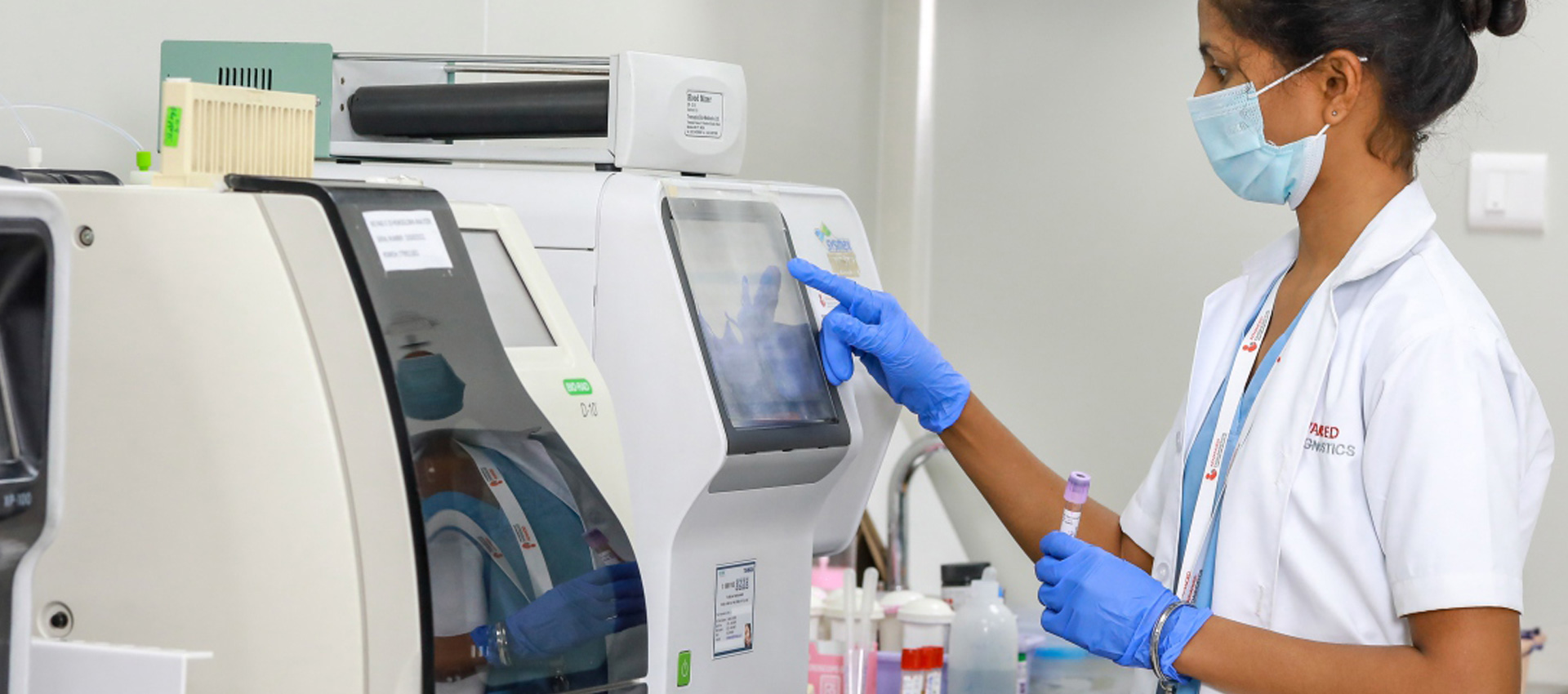
Accurate and timely diagnosis lays the foundation for effective treatment. In hospitals for women healthcare today, advanced diagnostic tools help doctors identify issues early, often before symptoms become severe. For pregnant women, this can mean the difference between a normal pregnancy and a high‑risk complication being detected in time. Regular health screenings, fetal monitoring, and targeted laboratory tests allow healthcare teams to track both mother’s and the baby’s health continuously.
At the hospital, technologies like fetal medicine and ultrasonography are part of routine prenatal care. Fetal medicine specialists focus on the specific needs of both mother and fetus, assessing growth and detecting potential issues as early as possible. This proactive approach helps ensure safer pregnancies and better outcomes for mothers and babies alike.
Advanced diagnostics also extend to managing hormonal disorders, menstrual problems, and gynecological conditions. When testing is precise and timely, a pregnancy specialist or gynecologist can tailor treatment plans that are highly individualised, increasing the likelihood of successful outcomes.
Core Diagnostic Services in a Women’s Hospital
In a quality women hospital India, you will find a range of diagnostic services designed specifically for female health needs. Some of the core diagnostic services include:
1. Fetal Monitoring and Ultrasound
Ultrasound and fetal monitoring are critical during pregnancy to observe fetal development and check for any abnormalities. Many hospitals, fetal medicine and ultrasonography help doctors interpret the baby’s growth stages and provide expectant mothers with real‑time insights into their pregnancy journey.
2. Laboratory and Pathology Tests
Blood tests, hormone profiling, and other laboratory diagnostics are essential for detecting conditions like gestational diabetes, anemia, or thyroid imbalance — all of which can influence pregnancy outcomes.
3. Personalized Treatment Plans
Diagnostics feed directly into personalised treatment plans. When a woman sees a pregnancy specialist, the results from tests and scans guide clinical decisions. This ensures that treatments are well‑matched to individual health profiles and risk levels.
Treatment Approaches in Modern Women’s Hospitals
Once the diagnosis is complete, treatment must be equally robust. Leading hospitals for ladies integrate multidisciplinary teams that include obstetricians, gynecologists, and neonatologists to handle everything from routine care to complex cases.
Comprehensive Pregnancy Care
Pregnancy is one of the most critical phases of a woman’s life. A quality women’s hospital in India will offer comprehensive care from the moment conception is confirmed through to delivery and postpartum support. This includes:
- Prenatal counseling and nutrition guidance
- Regular monitoring by a pregnancy specialist doctor
- Fetal assessment via advanced imaging
- Labor and delivery support tailored to individual needs
At the hospital, mothers receive personalised attention and guidance at every stage, ensuring that both mother and baby are monitored and supported throughout the pregnancy journey.
Handling High‑Risk Pregnancies
Some pregnancies come with greater challenges, such as gestational diabetes, hypertension, or preterm risk. In these cases, advanced diagnostics are indispensable. A pregnancy specialist trained in high‑risk care will use detailed monitoring and evidence‑based treatment plans to reduce risks and support healthy outcomes.
Gynecological and Reproductive Care
Women’s health does not begin and end with pregnancy. Gynecological care is an essential component of a comprehensive women’s hospital in India. These services include:
- Management of menstrual and hormonal disorders
- PCOD and PCOS care
- Pelvic health and minimally invasive surgeries
- Menopause management
At many hospitals, a dedicated team of gynecologists provides support across the entire age spectrum. From adolescent health challenges to post‑menopausal care, their approach is patient‑centred and evidence‑driven.
Neonatal and Pediatric Care
For hospitals focusing on women and children, pediatric care is equally vital. After childbirth, newborns may need specialised support, especially if they are premature or require critical care. Advanced hospitals are equipped with well‑structured Neonatal Intensive Care Units (NICU) and Pediatric Intensive Care Units (PICU), providing round‑the‑clock monitoring and intervention. NICU and PICU facilities use modern equipment and trained professionals to support newborns and young children in their earliest, most vulnerable days.
The Role of Expert Doctors
Central to all diagnostic and treatment efforts are the healthcare professionals themselves. A pregnancy special doctor brings expertise in maternal‑fetal medicine, high‑risk pregnancy management, and obstetric care. In addition, gynecologists, pediatricians, and specialized nurses work in coordination to ensure that patients receive well‑rounded medical attention.
At leading hospitals for women healthcare, these teams are trained not only in medical excellence but also in compassionate care recognising that emotional comfort is just as important as physical health.
Conclusion
Advanced diagnostics and treatments are at the heart of modern women’s healthcare. From prenatal scans and lab tests to specialised care for high‑risk pregnancies and comprehensive gynecological services, women benefit greatly from hospitals for ladies that prioritise early diagnosis and personalised care plans. Whether you are planning a pregnancy, managing a health condition, or ensuring your child’s wellbeing, choosing the right healthcare facility with expert professionals can make all the difference.
When seeking exceptional care for mothers and children, Ankura Hospitals is a leading women’s hospital in India dedicated to maternity, pediatric, and women’s specialty care. With cutting‑edge diagnostic technology, expert obstetricians, gynecologists, and fetal medicine services, they offer personalised treatment plans for pregnancy and women’s health. Their NICU and PICU facilities ensure advanced support for newborns and children, making Ankura a trusted choice among hospitals for women healthcare.

