Rosalind Franklin DNA image has sparked debate about her contributions to science. This article explores the reasons behind misconceptions about her findings.
The Legacy of Rosalind Franklin
The legacy of Rosalind Franklin extends far beyond her famous DNA image, which played a crucial role in the discovery of the DNA double helix. Despite being overshadowed by her male counterparts, Franklin’s meticulous research and pioneering techniques laid the groundwork for understanding genetic structures.
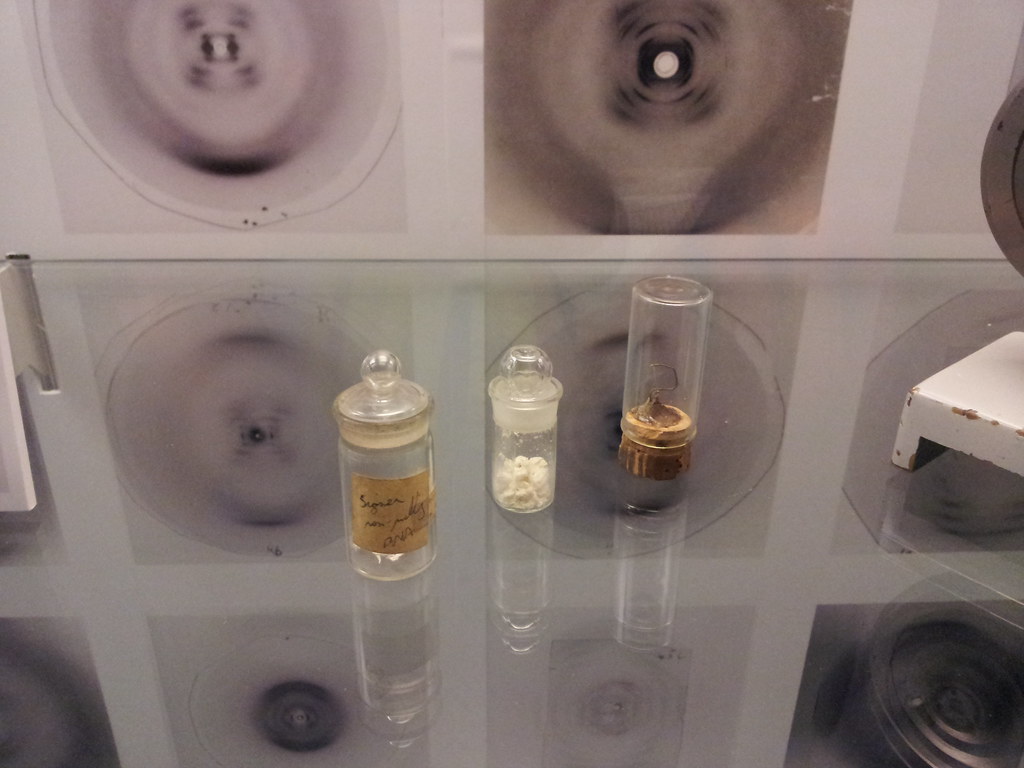
Franklin utilized X-ray crystallography to capture the now-iconic photo, known as Photograph 51, which provided critical evidence for the helical structure of DNA. Her expertise and innovative methods were often overlooked, but recent scholarship has shed light on her significant contributions.
Key points of her legacy include:
- Scientific Rigor: Franklin’s work exemplified high standards in research methodology.
- Gender Equality: Her story highlights the challenges faced by women in science.
- Inspirational Figure: Franklin serves as a role model for aspiring scientists around the world.
Today, her achievements continue to inspire and inform the scientific community.
Understanding DNA Structure
The discovery of DNA’s structure is often attributed to James Watson and Francis Crick, but the contributions of Rosalind Franklin are equally vital. Her iconic DNA image provided critical insights into the helical structure of DNA, although she herself did not recognize its full significance at the time.
The image, known as Photo 51, was taken using X-ray crystallography, a technique that revealed the dimensions and density of the DNA molecule. While Watson and Crick were able to use this information to propose their double helix model, Franklin’s meticulous work laid the groundwork for this breakthrough.
Many people mistakenly believe that Franklin overlooked the helical nature of DNA. However, her research suggested a complex structure, and it was her colleagues who interpreted the image in a way that led to the iconic model. Understanding the context of her findings is essential to appreciating her role in the discovery of DNA’s true architecture.
Common Misconceptions about Franklin
Despite her significant contributions, many misconceptions surround Rosalind Franklin and her iconic DNA image. Some believe that Franklin failed to recognize the helical structure of DNA, but this view is misleading. In fact, Franklin’s work was pivotal in revealing crucial insights about DNA’s structure.
Another common myth is that her photographs were only recognized posthumously. While it’s true that her work gained greater appreciation after her death, contemporaries acknowledged the importance of her DNA images during her lifetime, though she did not receive the credit she deserved.
Additionally, some argue that Franklin was primarily a negative figure in the race for the DNA model. However, her collaborative spirit and dedication to scientific discovery were evident in her interactions with colleagues, which contradicts the notion of her being solely competitive.
Understanding these misconceptions helps clarify the true impact of Rosalind Franklin on the field of molecular biology.
The Importance of Her Work
The contributions of Rosalind Franklin to the field of molecular biology are often overshadowed by her male counterparts. Her work, particularly the iconic Rosalind Franklin DNA image, played a crucial role in understanding the double helix structure. Franklin’s meticulous X-ray diffraction photographs provided essential insights that were pivotal in the discovery of DNA’s helical shape.
Despite her significant contributions, Franklin faced challenges in gaining recognition during her lifetime. Her meticulous approach to scientific research set high standards, and her images revealed details that were previously unknown. This precision not only advanced the understanding of DNA but also underscored the importance of women in science.
Franklin’s legacy is a testament to the vital role that dedicated scientists play in unraveling complex biological mysteries. Her work continues to inspire future generations, emphasizing that scientific discovery is often a collaborative effort, even when individual contributions may be overlooked.
How Franklin’s Image Changed Science
Rosalind Franklin’s DNA image, particularly the famous Photograph 51, played a pivotal role in unraveling the structure of DNA. This image not only showcased the helical structure but also prompted discussions that led to groundbreaking discoveries. The meticulous work of Franklin, using X-ray diffraction techniques, provided vital evidence that others would build upon.
Despite her significant contributions, misconceptions about her findings have persisted. Many believe she overlooked the helical structure, but in reality, Franklin was aware of DNA’s complexity. Her image highlighted critical characteristics that were essential for understanding genetic material.
The impact of her work extends beyond the laboratory, inspiring generations of scientists. Today, Franklin is celebrated not just for her iconic DNA image, but for challenging the norms of her time and paving the way for women in science. Her legacy continues to influence research and remind us of the importance of recognizing all contributors to scientific progress.
The Impact on Genetics
The impact of the Rosalind Franklin DNA image on the field of genetics is profound and far-reaching. This iconic photograph, known as Photo 51, was pivotal in unveiling the double helical structure of DNA. Its significance extends beyond its scientific value; it also sparked a transformation in how genetic research is perceived and conducted.
Many researchers were inspired to explore the intricacies of genetic material, leading to groundbreaking discoveries in molecular biology. The image not only provided a foundation for understanding heredity but also fueled the development of various biotechnological advancements.
Moreover, the story of Rosalind Franklin serves as a reminder of the importance of equity and recognition in science. Her contributions, often overshadowed, highlight the need for inclusive acknowledgment of all scientists’ work, paving the way for future generations to appreciate the collaborative nature of scientific discovery.
Clarifying the Helix Debate
The ongoing debate surrounding the interpretation of the Rosalind Franklin DNA image has generated significant interest among scientists and historians alike. Many have speculated that Franklin overlooked the helical structure of DNA, but this claim oversimplifies her contributions.
In reality, Franklin’s work was pioneering and essential for the understanding of DNA. Her X-ray diffraction images provided critical insights into the molecular structure. While some argue that her focus on the details may have led her to miss the broader implications, it is important to recognize the context in which she worked.
Franklin’s meticulous approach laid the groundwork for later discoveries. The perception that she “missed” the helix diminishes her achievements and the complexity of her research. To truly appreciate the significance of the Rosalind Franklin DNA image, one must consider both her technical skills and the scientific environment of her time.
Celebrating Female Scientists
In the world of science, female scientists have often been overlooked despite their groundbreaking contributions. One such figure is Rosalind Franklin, whose DNA image played a pivotal role in understanding the structure of DNA. Her meticulous work with X-ray diffraction produced some of the most significant images that aided in unveiling the helical shape of DNA.
Despite facing numerous challenges in a male-dominated field, Franklin’s determination and brilliance shine through her research. Her legacy extends beyond her own achievements; it inspires future generations of female scientists to pursue their passions in STEM. Celebrating figures like Franklin is essential in recognizing the importance of diversity in science.
As we honor her contributions, it is vital to acknowledge the women who continue to break barriers in various scientific disciplines. The Rosalind Franklin DNA image is not just a representation of a scientific breakthrough but also a symbol of resilience and empowerment for all women in science.
The Rosalind Franklin DNA image played a crucial role in the discovery of the double helix structure of DNA. Despite its significance, many people are unaware of the true story behind the Rosalind Franklin DNA image and its impact on molecular biology.
By genomebiology via Openverse
Where this came from
Related reading
Guns of Eschaton: The Best Official Demo Launch Trailer · Google Gemini models: The Wrong Move for AI Access · Kalin Ivanovski Match: The Best Proven Strategies for Success