
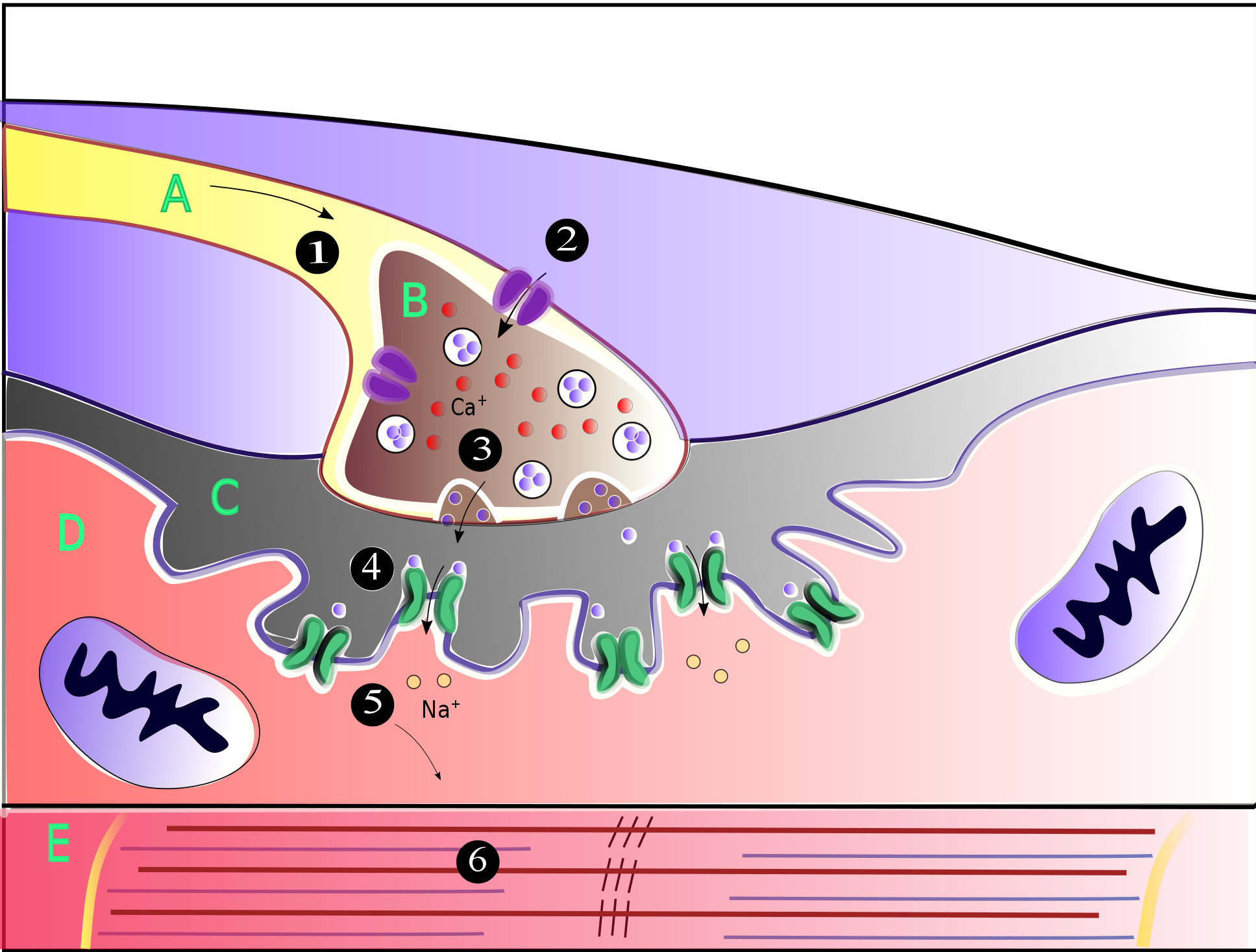
Calcium channels muscle cells play a vital role in muscle contraction. Understanding how these channels open together can provide insights into muscle physiology and potential therapeutic targets.
Understanding Calcium Channels
Calcium channels play a critical role in the function of muscle cells, acting as gateways that regulate the flow of calcium ions. These channels open in response to various stimuli, leading to a cascade of cellular events that are essential for muscle contraction. Understanding how calcium channels in muscle cells operate is fundamental to grasping the overall mechanics of muscle function.
When a muscle cell receives a signal, calcium channels are triggered to open, allowing calcium ions to rush into the cell. This influx of calcium is crucial for initiating contraction, as it interacts with other proteins within the muscle fibers. The process is highly coordinated, with multiple calcium channels opening simultaneously to ensure a strong and effective contraction.
Recent studies have shown that disruptions in calcium channel function can lead to various muscle disorders. These can manifest as weakness, cramps, or even more severe conditions. Therefore, understanding the mechanisms that govern calcium channels in muscle cells not only provides insights into normal physiology but also highlights potential therapeutic targets for treating muscle-related diseases.
Researchers continue to explore the intricacies of these channels, aiming to develop strategies that can enhance their function or restore their activity in diseased states. This ongoing research is vital for improving muscle health and enhancing physical performance.
The Role of Calcium in Muscle Function
Calcium plays a crucial role in muscle function, acting as a key signaling molecule that regulates contraction and relaxation in muscle cells. When a muscle cell is stimulated, calcium ions are released from the sarcoplasmic reticulum, leading to an increase in intracellular calcium concentration. This surge in calcium is essential for initiating the contraction process.
The process begins when calcium binds to troponin, a regulatory protein associated with the actin filaments. This binding causes a conformational change that removes tropomyosin from the actin binding sites, allowing myosin heads to attach to actin and subsequently pull the filaments together. This interaction results in muscle contraction. The coordinated opening of calcium channels in muscle cells ensures that this process occurs efficiently and synchronously across the muscle fiber.
Moreover, calcium channels are not only important during contraction but also play a significant role in muscle relaxation. Once the stimulation ceases, calcium is actively transported back into the sarcoplasmic reticulum, allowing muscle fibers to relax. Disruptions in calcium channel function can lead to various muscular disorders, highlighting the importance of maintaining proper calcium signaling in muscle cells.
In summary, calcium channels in muscle cells are fundamental to the mechanics of muscle function, ensuring effective contraction and relaxation through precise calcium regulation.
How Calcium Channels Work Together
Calcium channels in muscle cells operate in a highly coordinated manner to ensure proper muscle contraction and relaxation. When a muscle cell is stimulated, a cascade of events is triggered that leads to the opening of these channels. This process is essential for the influx of calcium ions, which play a pivotal role in muscle function.
Several types of calcium channels are present in muscle cells, including:
- Voltage-gated calcium channels: These channels open in response to changes in membrane potential, allowing calcium ions to enter the cell.
- Ryanodine receptors: Located on the sarcoplasmic reticulum, these channels release calcium ions into the cytoplasm when activated.
- Store-operated calcium channels: These channels help replenish calcium levels when they become depleted, ensuring that muscle cells have a sufficient supply of calcium for contraction.
The interaction between these channels is crucial. For instance, the opening of voltage-gated channels can lead to the activation of ryanodine receptors, amplifying calcium release. This synergy is vital for effective muscle contraction, as a precise balance of calcium ions is required for optimal performance.
Understanding how calcium channels work together in muscle cells can inform therapeutic strategies for muscle-related diseases, highlighting the importance of these ion channels in muscle physiology.
Recent Research Findings
Recent studies have highlighted the significance of calcium channels in muscle cells, revealing new insights into their coordinated activity. Researchers have discovered that calcium channels do not operate in isolation; instead, they work in concert to facilitate crucial physiological processes. This coordination is essential for muscle contraction and overall muscle function.
One notable study utilized advanced imaging techniques to observe the behavior of calcium channels during muscle activation. The findings indicated that when one channel opens, it can trigger the opening of nearby channels, creating a rapid influx of calcium ions. This phenomenon is referred to as “calcium-induced calcium release,” and it amplifies the muscle’s response to stimulation.
Additionally, researchers have identified specific proteins that play a pivotal role in the synchronization of these calcium channels. Understanding these mechanisms could lead to innovative treatments for muscle-related disorders, such as muscular dystrophy or cardiac dysfunction.
Furthermore, variations in calcium channel expression have been linked to differences in muscle performance among individuals. These insights could pave the way for personalized medicine approaches, tailoring treatments based on individual calcium channel profiles.
As research continues to evolve, the intricate relationship between calcium channels and muscle cells underscores the need for a deeper understanding of their roles in health and disease.
Implications for Muscle Health
The implications of calcium channels in muscle cells extend beyond basic physiology and into the realm of muscle health and disease prevention. Understanding how these channels operate provides crucial insights into maintaining optimal muscle function and developing targeted therapies for muscle-related disorders.
Calcium channels play a vital role in muscle contraction and relaxation. When functioning properly, they ensure that calcium ions flow in and out of muscle cells, facilitating the processes necessary for muscle movement. However, dysfunction in these channels can lead to a variety of issues, including:
- Muscle Weakness: Impaired calcium signaling can result in diminished muscle strength, significantly affecting daily activities.
- Muscle Cramps: Abnormal calcium channel activity may contribute to increased cramping during physical exertion.
- Cardiovascular Problems: Since calcium channels are also present in heart muscle cells, their dysfunction can lead to arrhythmias or other heart-related issues.
Recent advancements in research emphasize the importance of targeting these calcium channels for therapeutic interventions. By focusing on how calcium channels in muscle cells can be regulated or repaired, scientists aim to develop innovative treatments that could enhance muscle health and overall physical performance.
The regulation of calcium channels muscle cells is crucial for proper muscle contraction and relaxation. Understanding the mechanisms behind calcium channels muscle cells can lead to more effective treatments for muscle-related disorders.
By Elliejellybelly13 via Openverse
References
You might also like
Image Generation AI: Free and Proven Tool for Creatives · Witcher 3 Remastered Features: Best Proven Enhancements · Game Industry Economics: Honest Insights Amid Layoffs