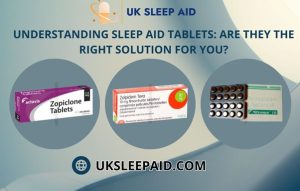
You’ve done what most people do to get enough sleep. You have a set bedtime, don’t drink caffeine or nap, and exercise regularly. You also avoid bright screens before bed and learn how to deal with worry. You haven’t had a good night’s sleep in weeks. Is it time for sleep aid tablets? If you’re thinking about taking sleep aid tablets help you sleep, read this first.
What Are Sleep Aid Tablets?
When you can’t fall asleep, you take oral sleep aids. Prescription and OTC medications are the primary types. Usually, the ingredients in sleep aids that you get from a doctor are stronger and work faster. You should only use them for a short time while a doctor watches you. These are OTC sleep aids. They are usually made with antihistamines or natural substances like valerian root or melatonin. People with sleep issues benefit from them.
These sleep aid tablets may assist for a short period of time, but they will not solve sleep or health related concerns. As part of a larger plan to help patients sleep and manage things that make them antsy.
How Do Sleep Aid Tablets Work?
Various types of sleep aid tablets perform various tasks. The brain slows down with most prescription drugs, like those that contain eszopiclone or zolpidem. For some reason, this improves sleep. These drugs are benzodiazepines. When you use them, be careful because they can get you hooked and have bad effects.
Over-the-counter drugs often induce slumber. Diphenhydramine is an antihistamine common in allergy medications. A lot of sleep aids contain it because it can help you fall asleep. Mesatonin is a different pill that helps keep circadian rhythms in check. It works like the body’s own sleep hormone. This is very helpful for people who have been travelling or work shifts.
When Should You Consider Taking Them?
Sleep aid tablets uk can help you fall asleep temporarily under stress, travel, or a change of location. They can aid with mental illness, time zone changes, and insomnia.
What if you have trouble sleeping for months or weeks?You may need a more serious doctor visit. Treatment for sleep apnoea, high blood pressure, depression, and neurological disorders requires a diagnosis.
Potential Side Effects and Precautions
Sleep aid tablets UK do work, but they can also make you feel bad. Daytime sleepiness, dry lips, dizziness, memory loss, and dependence are some of the side effects that happen a lot. Some people who take these drugs may also dream very clearly or even walk around while they sleep. When they are taking stronger prescription drugs, this is more likely to happen.
Drinking or taking sleep-inducing medicines alongside sleep aids may make you weary. Over 65s should avoid sedatives since they can cause dizziness or forgetfulness. Do as the prescription recommends and consult a doctor if you still can’t sleep.
Alternatives that are good for you and help with daily tasks
Change your lifestyle to sleep better, but sleep aid tablets can help. Keeping a quiet bedroom, not using technology, and going to bed at the same time might help many individuals sleep better or not at all.
You can also relax well. Plant teas, breathing exercises, and mindfulness meditation are among options. Melatonin pills don’t disrupt the sleep-wake cycle, thus some people like them. They are also normally used instead of drugs.
Conclusion
People who are having trouble sleeping can get some short-term relief from taking sleep aid tablets the right way. But they’re no panacea. You may typically get back to deep, comfortable sleep by identifying what’s keeping you awake and progressively making modifications that fit your body’s rhythm. Discuss why you need sleep aids and how to improve your sleep with your doctor. Sleep aids may be unsafe.